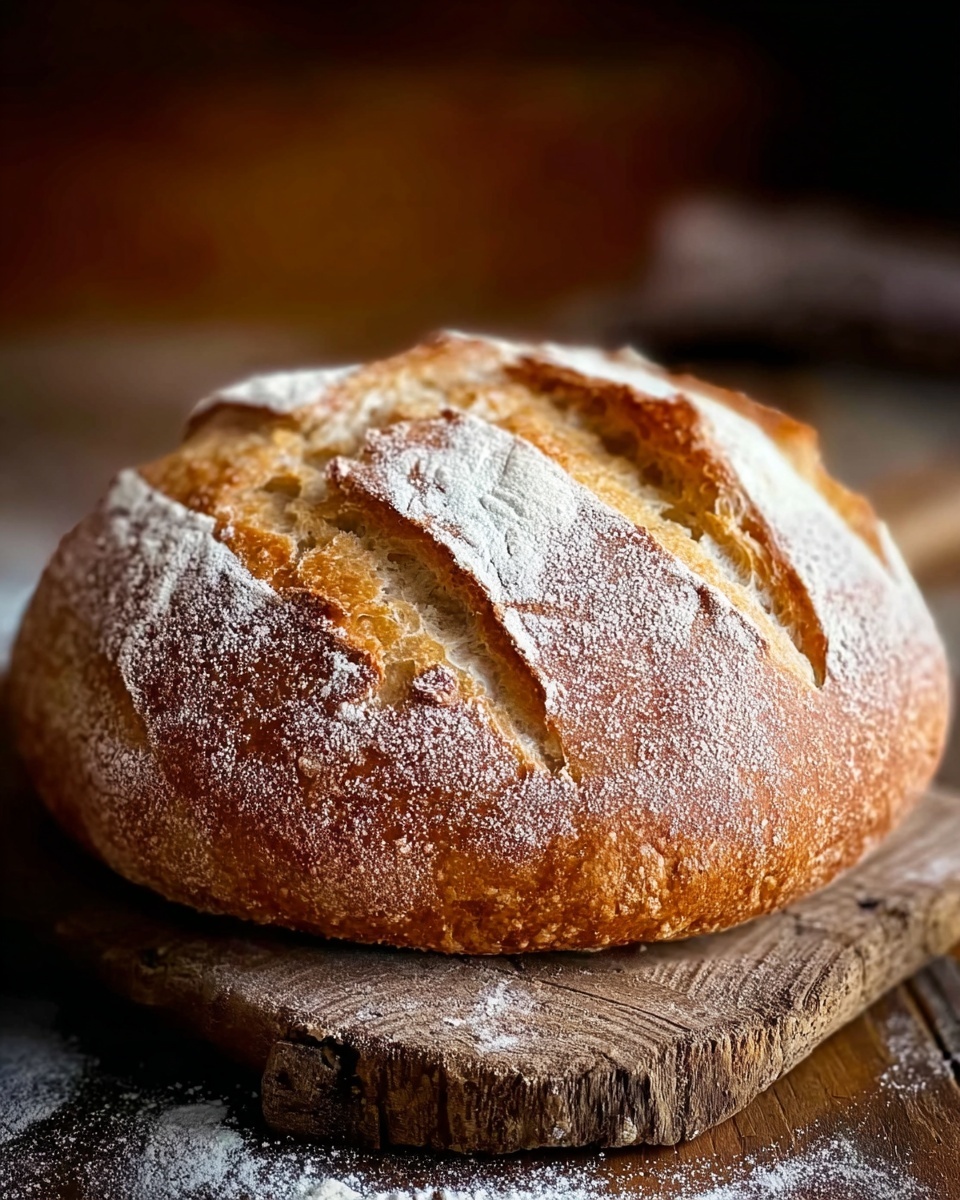
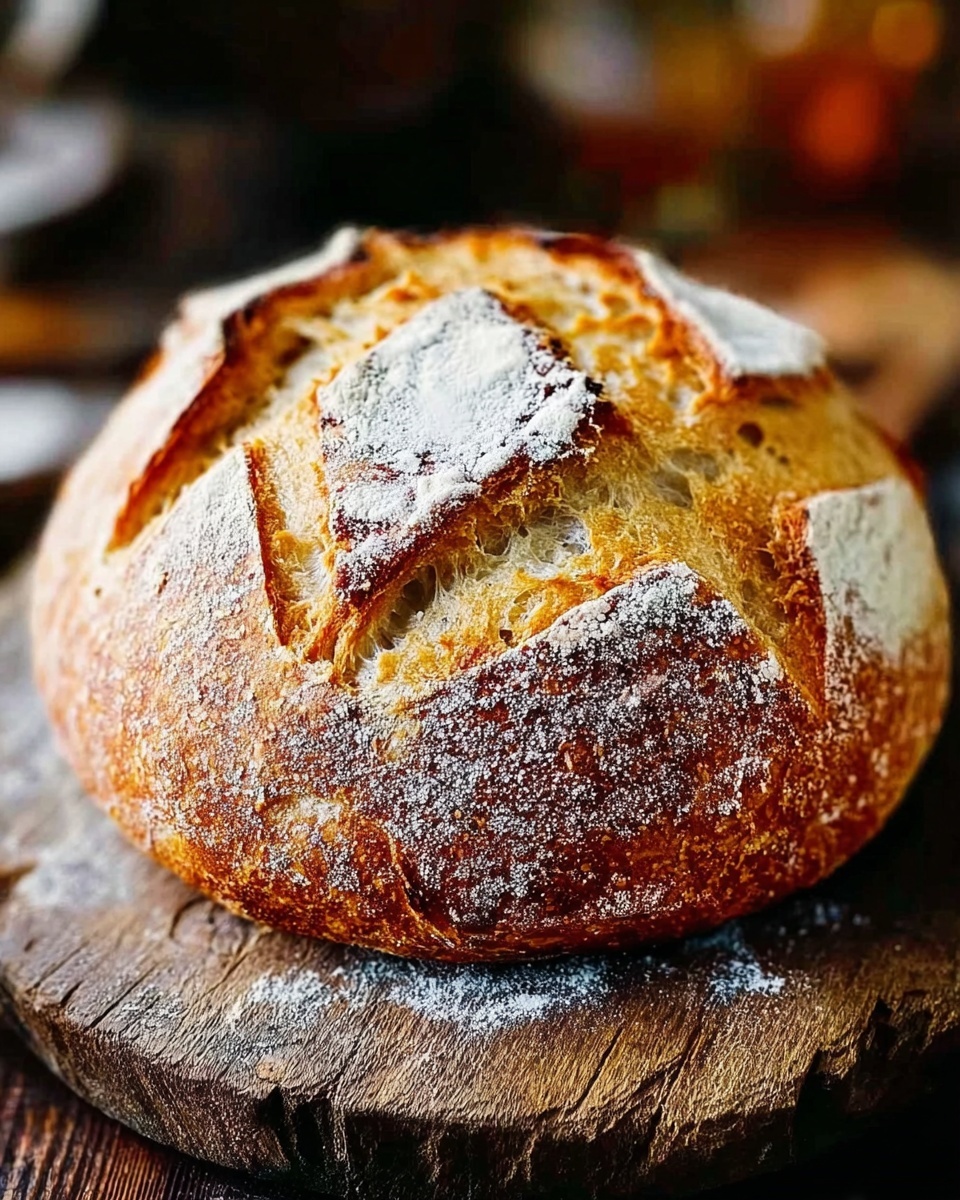
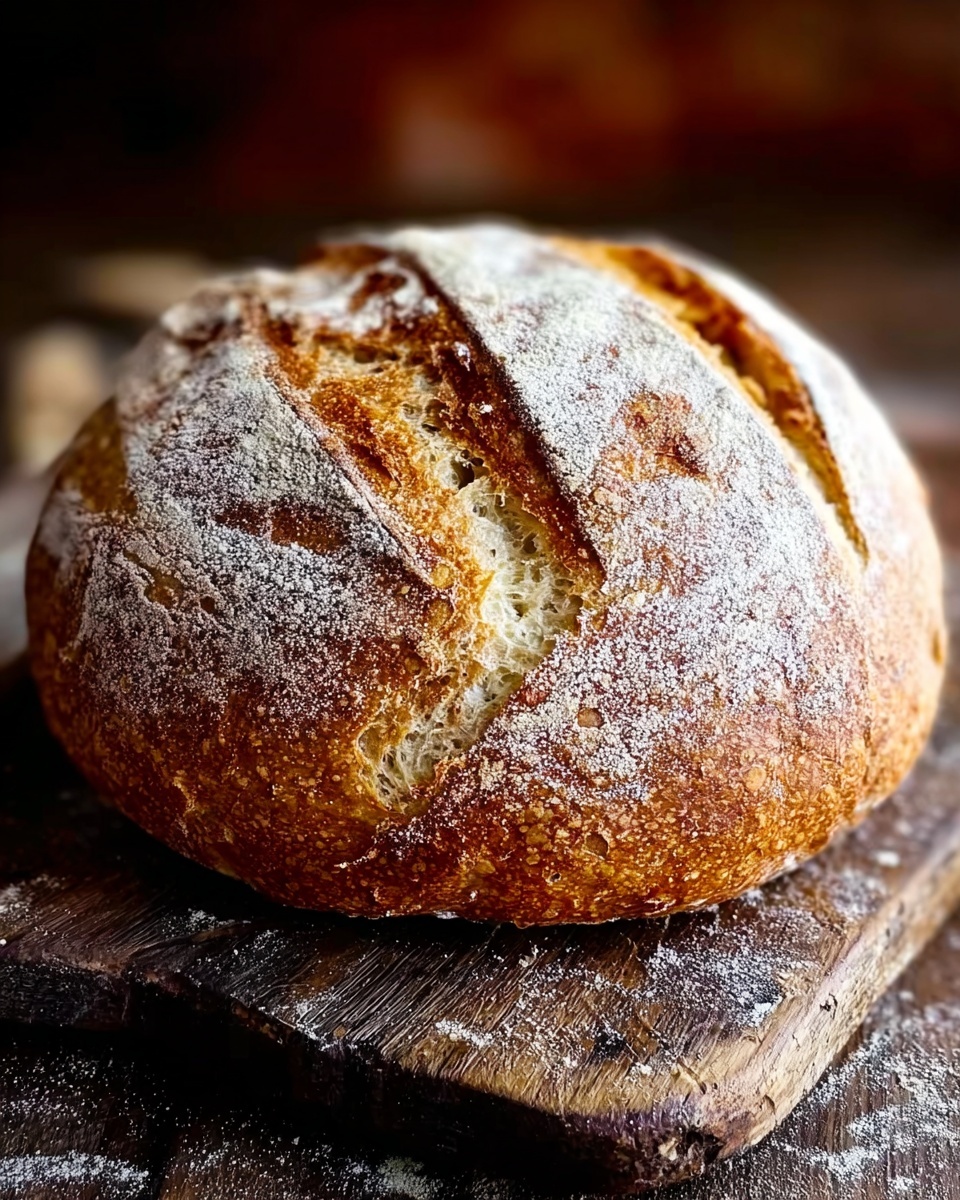
If you’ve ever wanted to bring a touch of rustic German charm right into your kitchen, the Bauernbrot German Farmer Style Bread Recipe is exactly the way to do it. This hearty, flavorful rye and bread flour loaf boasts a beautifully crusty exterior and a dense, tender crumb infused with a subtle hint of molasses and caraway seeds. It’s the kind of bread that feels like a warm hug on a chilly day, perfect for sandwiches, toasting, or simply enjoying with a smear of butter. Trust me, once you try this Bauernbrot German Farmer Style Bread Recipe, you’ll wonder how you ever lived without it.
Ingredients You’ll Need
Gathering the right ingredients for this Bauernbrot German Farmer Style Bread Recipe is simpler than you might think, and each one plays a crucial role. Together, they create the perfect balance of flavor, texture, and aroma that makes this bread so irresistible.
- Rye flour: Adds that signature earthy flavor and dense texture that defines traditional German bread.
- Bread flour: Provides the necessary gluten for a nice rise and chewy crumb.
- Caraway seeds (optional): The classic aromatic touch that brightens the dense loaf with its distinct flavor.
- Salt: Enhances every other flavor and controls yeast activity.
- Sugar: Feeds the yeast and adds a small touch of sweetness.
- Active dry yeast: The magical leavening agent that brings your dough to life.
- Warm water: Activates the yeast and hydrates the flours for proper dough development.
- Molasses: Imparts a rich depth of flavor and gives the crust a lovely color.
How to Make Bauernbrot German Farmer Style Bread Recipe
Step 1: Activate the Yeast
Start by waking up your yeast with warm water and sugar. The mixture should sit for 5 to 10 minutes until it becomes frothy, indicating the yeast is alive and ready for action. This small step is key to ensuring your bread rises beautifully.
Step 2: Mix the Dough
Next, stir in molasses along with rye flour, bread flour, salt, and caraway seeds if you’re using them. The dough will feel rough and shaggy at this point — that’s perfect! It shows the ingredients are coming together just as they should.
Step 3: Knead the Dough
Kneading is where the magic happens. Whether by hand or with a stand mixer, knead your dough for 6 to 8 minutes until it’s smooth and slightly tacky. This process develops the gluten, giving your bread structure and bounce.
Step 4: First Rise
Place your dough into a lightly oiled bowl, cover it with a clean towel, and let it rest in a warm spot for 60 to 90 minutes. During this time, the dough should double in size — a sure sign that the yeast is working hard to create that airy crumb we love in Bauernbrot.
Step 5: Shape the Loaf
After the first rise, gently punch down the dough to release excess air. Shape it into a round or oval loaf, then place it seam-side up in a proofing basket or on a parchment-lined baking sheet. This shaping gives your Bauernbrot that classic, rustic look everyone admires.
Step 6: Second Proof
Cover your shaped dough again and let it rise for another 30 to 45 minutes until it’s a bit puffy. This final rise ensures that your bread will bake up light with the perfect crumb.
Step 7: Preheat the Oven
Preheat your oven to 425°F (220°C). If you want to up your crust game, place a baking stone or cast iron pan in the oven while it heats. The intense, even heat will help you achieve that wonderfully crisp crust that Bauernbrot is known for.
Step 8: Score and Bake
With a very sharp knife or a bread lame, score the top of your loaf. These cuts not only give your bread gorgeous character but also allow steam to escape during baking. Bake the loaf for 30 to 35 minutes until the crust is deep brown and the bottom sounds hollow when tapped.
Step 9: Cool and Slice
Patience is key here. Let your Bauernbrot cool completely on a wire rack for at least 30 minutes before slicing. This rest period lets the crumb set properly, ensuring your slices hold together perfectly and reveal the bread’s tender interior.
How to Serve Bauernbrot German Farmer Style Bread Recipe
Garnishes
While Bauernbrot is tasty on its own, a simple spread of good-quality butter or a smear of creamy mustard can elevate the experience. For a bit more indulgence, top slices with aged cheeses or sliced smoked meats — the bread’s hearty flavor pairs beautifully with bold toppings.
Side Dishes
This versatile bread shines alongside classic German dishes such as hearty sausages, sauerkraut, or a bowl of warm potato soup. It also makes an excellent companion to fresh salads or a cheese board, adding substance and rustic charm to your meal.
Creative Ways to Present
For a crowd-pleasing appetizer, slice the Bauernbrot thin and toast it to serve with an assortment of dips like herb-infused olive oil or roasted garlic hummus. You can also turn it into a centerpiece by hollowing out the loaf slightly and filling it with a warm dip, making it as functional as it is beautiful.
Make Ahead and Storage
Storing Leftovers
Keep your Bauernbrot fresh by storing it in a paper bag or wrapped loosely in a clean kitchen towel at room temperature. This method helps maintain the crust’s crunch and keeps the crumb from drying out for up to three days.
Freezing
If you want to save your Bauernbrot for longer, slice the bread first, then freeze it in an airtight bag. This way, you can take out just what you need without thawing the entire loaf, keeping your bread tasting fresh and delicious even weeks later.
Reheating
The best way to enjoy leftover Bauernbrot is by reheating slices in a toaster or oven. Toasting revives the crust’s crispness and warms the crumb, making each bite taste like it just came out of the oven.
FAQs
Can I make the Bauernbrot without caraway seeds?
Absolutely! Caraway seeds are traditional but optional. If you’re not a fan or don’t have any on hand, simply omit them. Your bread will still have that classic Bauernbrot texture and flavor.
Is rye flour necessary for authentic Bauernbrot?
Yes, rye flour is essential for the characteristic flavor and density of Bauernbrot. While you can make bread without it, the rye gives the bread its unmistakable heartiness and slightly tangy taste.
Can I use instant yeast instead of active dry yeast?
You can substitute instant yeast by using slightly less—about 75% of the amount called for—and mixing it directly with the flour. The rising times may be a bit shorter, but the outcome will be just as tasty.
What’s the best way to get a crisp crust like in the Bauernbrot recipe?
Using a baking stone or cast iron pan when preheating your oven helps create intense heat from below, contributing to a crispier crust. Also, scoring the dough properly and baking at a high temperature ensures that beautiful crust develops.
Can I make the dough in a bread machine?
Yes, you can use a bread machine for mixing and kneading. Just follow your machine’s instructions for dough settings, then proceed with shaping, proofing, and baking the bread in your oven for the best texture and flavor.
Final Thoughts
There’s something truly special about baking your own Bauernbrot German Farmer Style Bread Recipe at home — it’s a satisfying blend of timeless tradition and hearty flavor that warms both heart and kitchen. Don’t hesitate to dive in, because this bread is more than just food; it’s a little piece of German heritage you can share with everyone you love. Happy baking!
Print
Bauernbrot German Farmer Style Bread Recipe
- Prep Time: 15 minutes
- Cook Time: 35 minutes
- Total Time: 2 hours 30 minutes
- Yield: 1 loaf (10–12 slices)
- Category: Bread
- Method: Baking
- Cuisine: German
Description
Bauernbrot, a traditional German farmer-style bread, combines hearty rye and bread flours with the subtle sweetness of molasses and the aromatic touch of caraway seeds, resulting in a rustic loaf with a deep brown crust and a tender interior. This recipe guides you through activating the yeast, kneading, proofing, and baking to achieve an authentic and flavorful loaf perfect for any bread lover.
Ingredients
Dry Ingredients
- 2 cups rye flour
- 2 cups bread flour
- 1 tablespoon caraway seeds (optional)
- 2 teaspoons salt
- 1½ teaspoons sugar
- 2¼ teaspoons (1 packet) active dry yeast
Wet Ingredients
- 1½ cups warm water (about 110°F / 45°C)
- 1 tablespoon molasses
Instructions
- Activate Yeast: In a mixing bowl, combine the warm water, sugar, and active dry yeast. Let this mixture sit for 5–10 minutes until it becomes frothy, indicating that the yeast is active and ready to use.
- Mix the Dough: Add the molasses, rye flour, bread flour, salt, and caraway seeds (if using) to the yeast mixture. Stir until a rough dough forms, ensuring all the flour is incorporated.
- Knead: Knead the dough by hand or use a stand mixer equipped with a dough hook for about 6–8 minutes until the dough is smooth and slightly tacky but not sticky.
- First Rise: Place the dough in a lightly oiled bowl, cover it with a cloth or plastic wrap, and let it rise in a warm place for 60–90 minutes, or until it has doubled in size.
- Shape the Loaf: Punch down the risen dough to release the gases. Shape it into a round or oval loaf and place it seam-side up in a proofing basket or onto a parchment-lined baking sheet.
- Second Proof: Cover the shaped loaf and allow it to rise again for 30–45 minutes until it becomes slightly puffy.
- Preheat Oven: Preheat your oven to 425°F (220°C). For a better crust, optionally place a baking stone or cast iron pan inside the oven to heat up.
- Score and Bake: Just before baking, score the loaf with a sharp knife or lame to allow steam to escape and the bread to expand. Bake for 30–35 minutes, or until the crust is a deep brown and the loaf sounds hollow when tapped on the bottom.
- Cool and Slice: Remove the bread from the oven and cool it on a wire rack for at least 30 minutes before slicing to allow the crumb to set properly.
Notes
- Using a baking stone or cast iron pan helps achieve a crustier loaf.
- Caraway seeds are optional but provide a classic flavor typical of traditional Bauernbrot.
- Ensure water temperature is about 110°F (45°C) to properly activate the yeast without killing it.
- Allow the bread to cool completely before slicing to maintain texture and moisture.
- You can substitute molasses with honey if preferred, but molasses contributes to the characteristic depth of flavor.