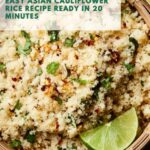
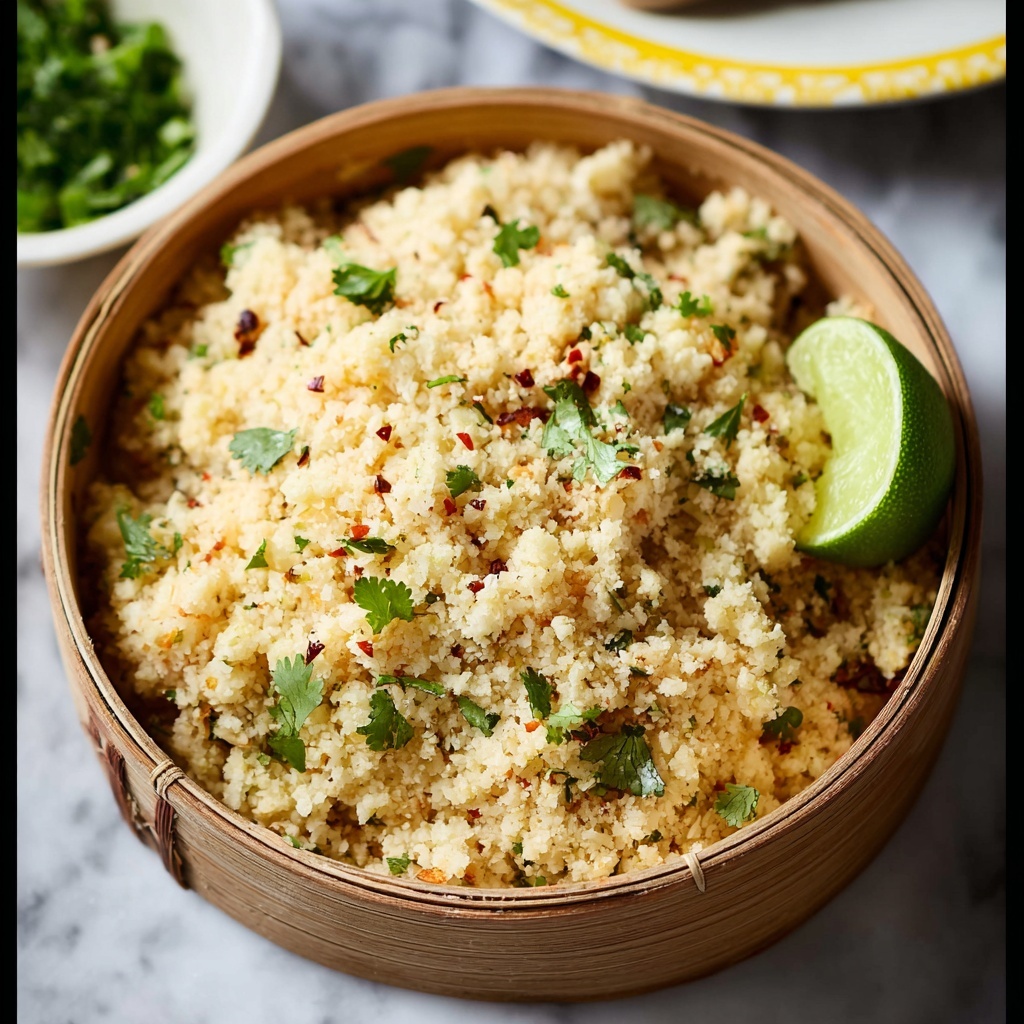
If you are craving a light yet flavorful dish that feels like a comforting bowl of rice without the carbs, this Asian Cauliflower “Rice Recipe” is an absolute game-changer. It transforms humble cauliflower into tender, vibrant grains of goodness infused with the perfect balance of savory soy, tangy lime, and subtle heat from sweet chili sauce. This recipe effortlessly elevates your weekday dinners or impresses guests with its simplicity and mouthwatering taste that even rice lovers will adore.
Ingredients You’ll Need
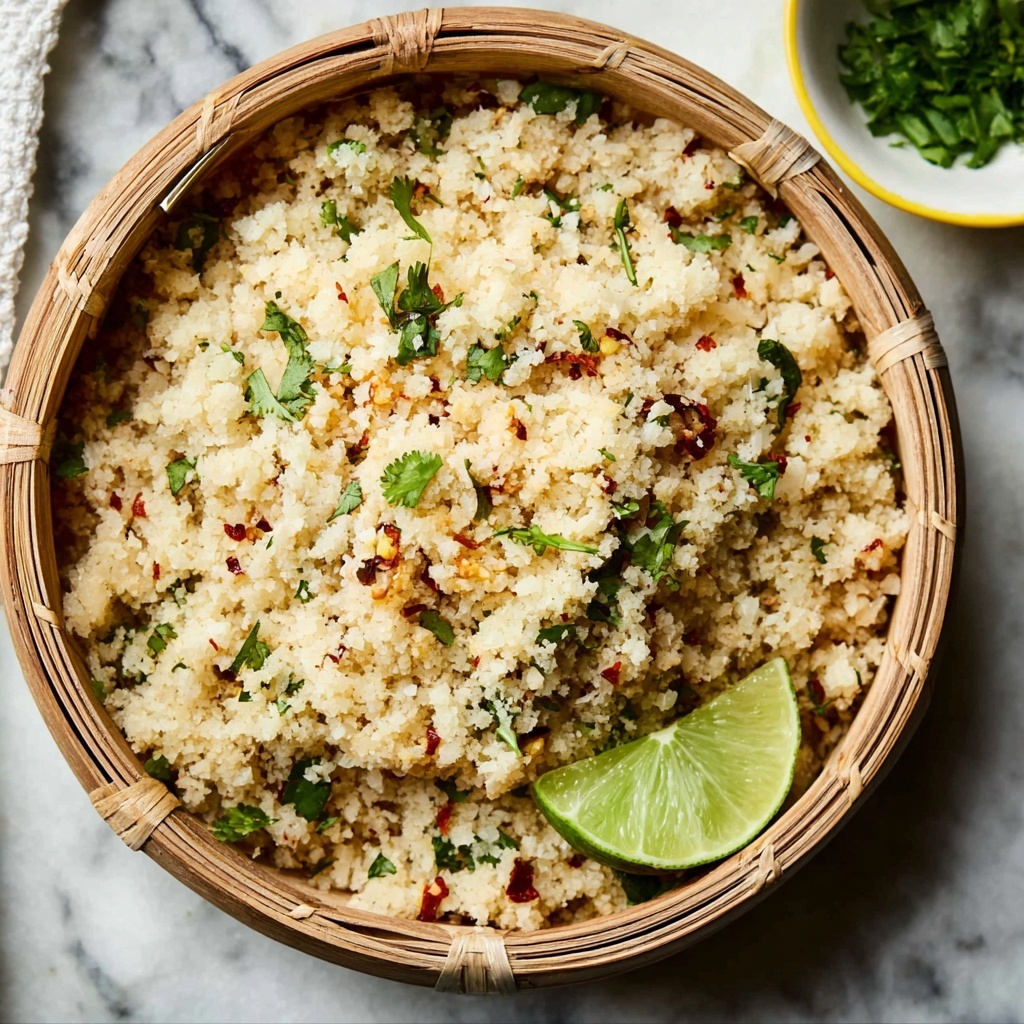
Ingredients You’ll Need
Each ingredient in this Asian Cauliflower “Rice Recipe” plays a crucial role, bringing layers of flavor, texture, and aroma that make this dish unforgettable. From the nutty richness of butter and sesame oil to the brightness of lime and cilantro, these essentials keep the dish balanced and exciting.
- Cauliflower (1 head): The star ingredient, providing a grain-like texture perfect for low-carb meals.
- Butter (2-3 tablespoons): Adds richness and a silky mouthfeel to the cauliflower as it sautés.
- Sesame oil (1 tablespoon): Brings a toasty, nutty aroma that’s classic in Asian cooking.
- Garlic, minced (1 teaspoon): Infuses fragrant pungency that wakes up all the other flavors.
- Rice vinegar (1 tablespoon): Delivers a bright acidity that lifts the dish.
- Soy sauce, low sodium (1 tablespoon): Adds umami depth without overpowering the delicate cauliflower.
- Powdered ginger (1 teaspoon): Gives a gentle warmth and zing that’s subtle yet essential.
- Salt (1 teaspoon or to taste): Enhances and balances all the flavors perfectly.
- Sweet chili sauce (1-3 tablespoons): Choose your heat level for a sweet-spicy kick that’s simply addictive.
- Lime juice (1-2 tablespoons, half a lime): Brightens the whole dish with fresh citrus notes.
- Cilantro (1/4 cup, chopped): Adds a fresh herbal contrast that makes every bite pop.
How to Make Asian Cauliflower “Rice Recipe
Step 1: Prep the Cauliflower
Begin by chopping your cauliflower into roughly 1-inch pieces. Don’t worry about making the florets look perfect, as this is just to prepare for pulsing. The rustic chunks make it easier to break down evenly in your food processor for that perfect rice-like texture.
Step 2: Rice the Cauliflower
Add about a quarter to a third of your cauliflower into the food processor at a time. Pulse in short bursts—about one second each—until the pieces resemble grains of rice. This technique ensures you avoid ending up with mushy bits, preserving that grainy consistency that makes this recipe so satisfying.
Step 3: Sauté Garlic and Oils
Warm a wide-bottom skillet over medium heat and melt the butter. Stir in the sesame oil for that irresistible nutty scent, then add the minced garlic. Let the garlic soften and become fragrant for about a minute, being careful not to burn it, as it’s the aromatic foundation of this dish.
Step 4: Cook the Cauliflower Rice
Dump all of the riced cauliflower into the skillet; it might look like a lot at first, but it quickly reduces as the moisture cooks out. Stir continuously to ensure even cooking and to prevent the rice from sticking or drying out.
Step 5: Add the Signature Flavors
Mix in the rice vinegar, soy sauce, powdered ginger, salt, and sweet chili sauce. These ingredients create that unmistakable balance of sweet, savory, and tangy flavors that make this Asian Cauliflower “Rice Recipe” stand out. Continue cooking until the cauliflower softens, about 8 to 12 minutes, stirring occasionally for the most even flavor distribution.
Step 6: Finish with Freshness
Once the cauliflower is tender, remove the pan from heat. Stir in the fresh lime juice and chopped cilantro. These final touches brighten the dish and add vibrant color that gives it a fresh, lively finish.
Step 7: Garnish and Serve
If you want to add a stylish finishing touch or amplify the freshness, garnish with extra lime wedges and cilantro leaves. This not only makes your dish photo-worthy but also lets everyone customize their flavors to taste.
How to Serve Asian Cauliflower “Rice Recipe
Garnishes
Garnishing with extra cilantro and lime wedges invites bursts of herbal brightness and zesty citrus, elevating every bite. Consider sprinkling toasted sesame seeds for added texture and a subtle crunch that pairs beautifully with the softness of the “rice”.
Side Dishes
This Asian Cauliflower “Rice Recipe” pairs wonderfully with grilled chicken, seared tofu, or steamed dumplings. It’s versatile enough to be a bed for your favorite stir-fry or a sidekick to spicy Thai or Korean-inspired mains.
Creative Ways to Present
For a fun twist, serve the cauliflower rice inside hollowed bell peppers or cabbage leaves for a colorful and party-friendly presentation. You can also scoop it into lettuce cups for a healthy appetizer or light lunch option that’s bursting with flavor and texture.
Make Ahead and Storage
Storing Leftovers
Store leftover Asian Cauliflower “Rice Recipe” in an airtight container in the refrigerator. It’s best enjoyed within 3 to 4 days to keep its texture and flavor fresh and vibrant.
Freezing
While you can freeze this cauliflower rice, it may lose some of its fresh texture upon thawing. If you freeze it, portion the dish into freezer-safe containers and consume within 1 month for the best taste and quality.
Reheating
When reheating, use a skillet over medium heat with a splash of water or a little butter to revive the texture and prevent drying out. Microwave reheating works too, but add a sprinkle of water before heating to keep it from turning rubbery.
FAQs
Can I use frozen cauliflower for this recipe?
Yes, frozen cauliflower can be used in a pinch. Make sure to thaw and drain any excess water before pulsing it into rice to avoid sogginess in the final dish.
Is this recipe gluten-free?
Absolutely! Using low sodium soy sauce or tamari ensures this Asian Cauliflower “Rice Recipe” is gluten-free, making it suitable for most diets.
Can I make this recipe vegan?
Definitely! Swap the butter for a plant-based alternative or just use extra sesame oil to keep it vegan-friendly without sacrificing flavor.
How spicy is the sweet chili sauce?
Sweet chili sauce typically has a mild heat with a sweet undertone, but feel free to adjust the amount to suit your spice tolerance. It adds a lovely balance without overwhelming the dish.
Can I add other vegetables to this recipe?
Yes, you can toss in diced carrots, peas, or chopped green onions during cooking for added color and nutrition while keeping that classic cauliflower rice texture.
Final Thoughts
This Asian Cauliflower “Rice Recipe” is one of those dishes that feels like a warm hug on a busy day. It’s simple to make, packed with flavor, and totally customizable to match your cravings. Whether you’re cutting back on carbs or just looking for a fresh twist on a classic, give this recipe a try—you’ll be coming back for seconds every time.
Print
Asian Cauliflower “Rice Recipe
- Prep Time: 10 minutes
- Cook Time: 8 to 12 minutes
- Total Time: 18 to 22 minutes
- Yield: 4 servings
- Category: Side Dish
- Method: Stovetop
- Cuisine: Asian
- Diet: Low Calorie
Description
This Asian Cauliflower ‘Rice’ recipe offers a low-carb, flavorful alternative to traditional rice. Made by pulsing cauliflower into rice-sized pieces and sautéing with garlic, ginger, sesame oil, and tangy Asian seasonings, it creates a fragrant and colorful dish perfect as a side or light meal. The addition of sweet chili sauce and fresh lime juice brightens the flavors, while cilantro adds a fresh herbal note.
Ingredients
Vegetables
- 1 head cauliflower
- 1 teaspoon garlic, minced (jarred or fresh)
- 1/4 cup cilantro, chopped (or to taste)
- 1–2 tablespoons lime juice (about half a lime)
Oils & Fats
- 2–3 tablespoons butter
- 1 tablespoon sesame oil
Seasonings & Sauces
- 1 tablespoon rice vinegar
- 1 tablespoon low sodium soy sauce
- 1 teaspoon powdered ginger
- 1 teaspoon salt (or to taste)
- 1–3 tablespoons sweet chili sauce
Instructions
- Prepare the Cauliflower: Chop the cauliflower into roughly 1-inch pieces. The exact shape and size do not matter as the cauliflower will be pulsed into rice-sized grains in the next step.
- Rice the Cauliflower: Place about one-third of the cauliflower pieces into a food processor. Pulse in 1-second bursts to break down the cauliflower until the pieces are about the size of grains of rice. Avoid over-processing to prevent mushy texture. Repeat this process with the remaining cauliflower.
- Sauté Aromatics: In a wide-bottom skillet, melt the butter over medium heat, then add the sesame oil. Add the minced garlic and sauté for about 1 minute until fragrant but not browned.
- Cook the Cauliflower Rice: Add all of the riced cauliflower to the skillet. Although it may look like a lot, the cauliflower will reduce in volume as it cooks.
- Add Flavorings: Stir in rice vinegar, soy sauce, powdered ginger, salt, and sweet chili sauce. Continue cooking the mixture, stirring frequently, until the cauliflower rice is tender, about 8 to 12 minutes.
- Finish with Fresh Ingredients: Remove the skillet from heat and mix in lime juice and chopped cilantro to brighten the dish.
- Garnish and Serve: Optionally, garnish with additional lime wedges and cilantro before serving for extra freshness.
Notes
- You can adjust the amount of sweet chili sauce depending on your preferred sweetness and spiciness level.
- Using low sodium soy sauce helps control the salt content.
- If you don’t have a food processor, you can grate the cauliflower with a box grater as an alternative, though texture might vary.
- For a vegan version, substitute butter with a plant-based alternative or increase sesame oil.
- Serve this as a low-carb side dish or as a base for stir-fried meats and vegetables.