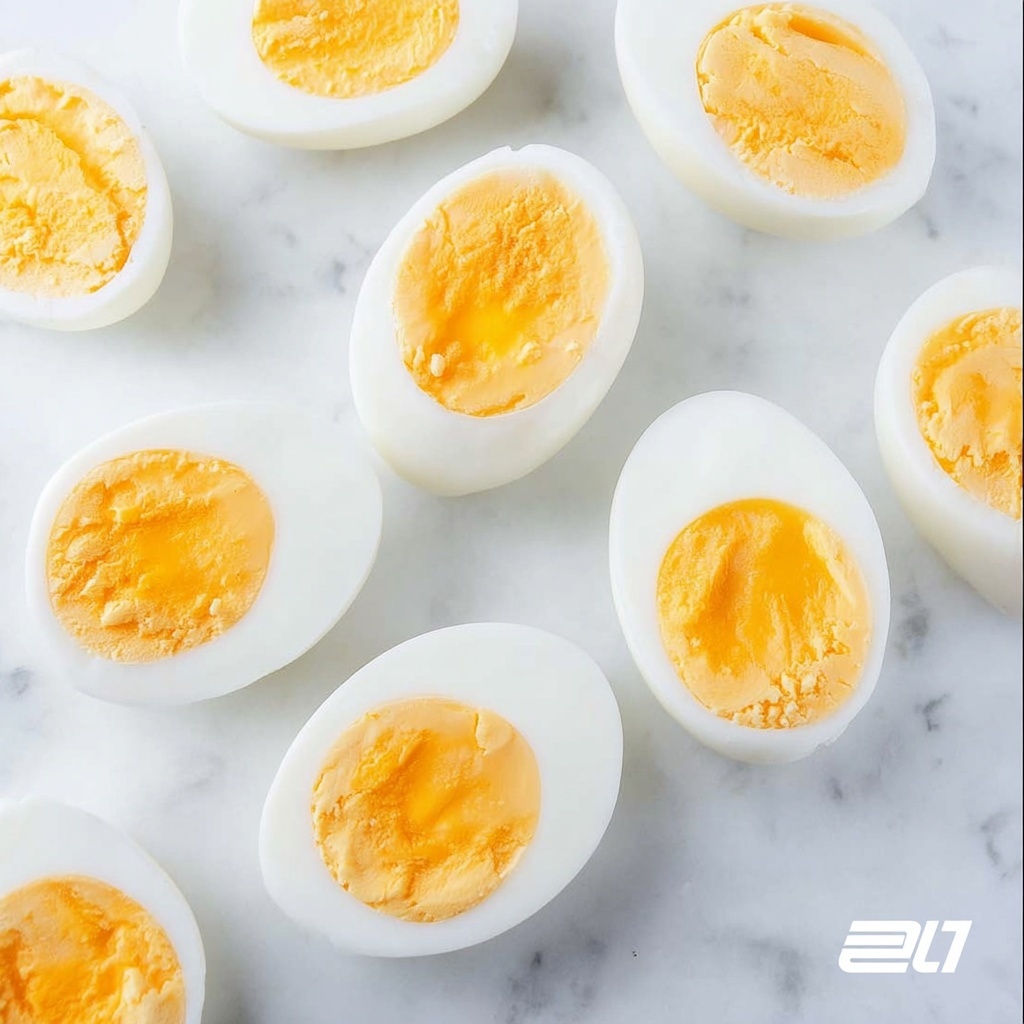
If you have ever wondered about the secret to perfectly cooked eggs that suit your mood, then you’re in for a treat. Let me introduce you to the magic of How to Boil Eggs: Perfect Soft and Hard-Boiled Eggs Every Time Recipe. It’s a simple, tried-and-true method that guarantees those delightful soft yolks or firm, crumbly hard yolks, no matter your preference. Whether you’re preparing a quick breakfast or gearing up for a salad, mastering this technique will become one of your kitchen superpowers.
Ingredients You’ll Need
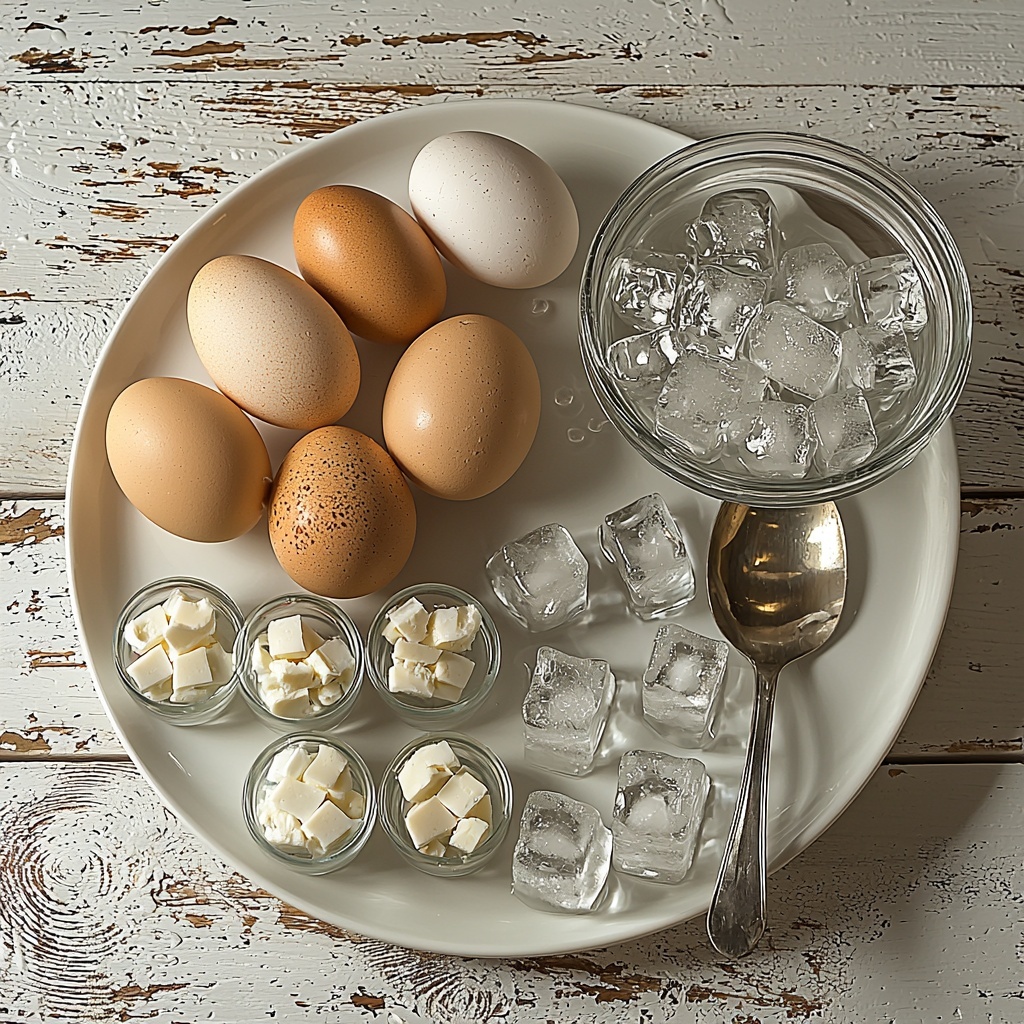
You don’t need a long list to make perfectly boiled eggs. Just a few basic ingredients, each playing its part in creating texture, flavor, and ease of peeling.
- 12 large eggs: Fresh but not too fresh works best for peeling and texture.
- Water: Enough to cover the eggs by about an inch, ensuring even cooking throughout.
How to Make How to Boil Eggs: Perfect Soft and Hard-Boiled Eggs Every Time Recipe
Step 1: Arrange Your Eggs
The first key step is placing your eggs straight from the refrigerator into a single layer in a large saucepan or pot. Keeping them in one layer avoids cracking and uneven cooking, setting the stage for success.
Step 2: Add Cold Water
Fill the pot with cold water until it covers the eggs by approximately one inch. Starting with cold water helps prevent the shells from cracking due to sudden temperature changes, and it contributes to a gentle cooking process.
Step 3: Bring to a Rolling Boil
Place the pot on high heat and let the water reach a full, rolling boil. This vigorous boil ensures the heat penetrates evenly, which is essential for achieving a consistent doneness in your eggs.
Step 4: Turn Off Heat and Cover
As soon as you see a hearty boil, take the pot off the heat and cover it with a tight-fitting lid. Now the gentle, residual heat will carry the eggs through their cooking journey without overcooking them.
Step 5: Timed Cooking for Desired Doneness
Here comes the fun part where timing matters: let the eggs rest in the hot water for 6 to 12 minutes depending on your preference. Go for 6-8 minutes for the heavenly soft-boiled egg with that luscious, runny yolk, or 10-12 minutes if you prefer that firm, fully set yolk loved in salads and snacks.
Step 6: Chill in Ice Water
Right after cooking, scoop the eggs out with a slotted spoon and drop them straight into an ice bath. This quick cooling halts the cooking process immediately, making your eggs easier to peel and preserving their perfect texture.
Step 7: Peel Like a Pro
Once the eggs are cool, gently crack the shell all over by tapping against a hard surface, then roll it under cold running water. This little trick helps loosen the shell and keeps the whites intact, making peeling a breeze and your eggs look picture-perfect.
How to Serve How to Boil Eggs: Perfect Soft and Hard-Boiled Eggs Every Time Recipe
Garnishes
A sprinkle of flaky sea salt, a dash of freshly cracked black pepper, or a scattering of chopped fresh herbs like chives or dill elevates boiled eggs into a simple, elegant dish. Don’t underestimate the power of a drizzle of olive oil or a light touch of smoked paprika for an extra flavor boost.
Side Dishes
Boiled eggs are surprisingly versatile and pair beautifully with everything from lightly toasted bread and avocado slices to fresh greens or roasted vegetables. Their rich protein content makes them a perfect companion for grain bowls or even alongside a colorful fruit salad for a balanced meal.
Creative Ways to Present
Turn your perfectly boiled eggs into a crowd-pleaser by slicing them onto salads, layering into sandwiches, or stuffing them with creamy fillings like classic deviled egg mixtures. For soft-boiled eggs, serving them in egg cups with a little toast “soldier” on the side is both charming and fun to eat.
Make Ahead and Storage
Storing Leftovers
You can store boiled eggs in their shells in the refrigerator for up to one week. Keeping the shell on helps maintain moisture and barrier protection, so keep them cool and dry until you’re ready to eat.
Freezing
Freezing boiled eggs is generally not recommended as it changes their texture—yolks can become crumbly and whites rubbery. For best results, enjoy your eggs fresh within the week.
Reheating
If you prefer a warm egg, gently reheat peeled boiled eggs by placing them in hot water for a few minutes or microwaving with a damp paper towel covering to avoid drying out. Be cautious to avoid overheating, which can cause the yolks to become chalky.
FAQs
Can I boil eggs straight from the fridge?
Absolutely! Placing eggs directly from the refrigerator into the pot ensures they cook evenly. Just don’t overload the pot — keep them in a single layer for best results.
Why should I use an ice bath after boiling?
The ice bath stops the cooking process immediately, preserving texture, preventing overcooking, and making peeling much easier by causing the egg whites to contract slightly inside the shell.
What causes green rings around the yolk?
This harmless discoloration happens when eggs are overcooked or cooled too slowly, causing a reaction between sulfur and iron. Following the timing in this recipe and cooling fast stops this from happening.
How do I peel eggs without frustration?
Crack them all over and peel under cold running water. Older eggs also tend to peel easier because their pH levels change, so don’t use eggs that are too fresh.
Can I boil more or fewer eggs using this method?
Definitely! Just be sure the eggs fit in a single layer with water covering them by about an inch, adjusting your pot size accordingly. Cooking times remain the same.
Final Thoughts
There is something wonderfully satisfying about mastering How to Boil Eggs: Perfect Soft and Hard-Boiled Eggs Every Time Recipe. Whether you’re whipping up a quick snack or jazzing up your breakfast plate, these eggs never disappoint. Trust me, once you get the timing just right, you’ll wonder how you ever lived without this simple but essential kitchen skill. Go on, give it a try and enjoy the perfect egg experience every time!
Print
How to Boil Eggs: Perfect Soft and Hard-Boiled Eggs Every Time Recipe
- Prep Time: 5 minutes
- Cook Time: 12 minutes
- Total Time: 30 minutes
- Yield: 12 servings
- Category: Breakfast
- Method: Stovetop
- Cuisine: American
Description
This classic recipe guides you through the perfect method to boil eggs, whether you prefer soft-boiled or hard-boiled. Learn how to cook eggs to your desired doneness and peel them easily with a simple ice bath technique.
Ingredients
Ingredients
- 12 large eggs
- Water (enough to cover eggs by 1 inch)
Instructions
- Place Eggs in Pot: Place the eggs directly from the refrigerator into a large saucepan or pot in a single layer to ensure even cooking.
- Add Water: Fill the pot with enough cold water to cover the eggs by about 1 inch.
- Bring to Boil: Bring the pot of water to a rolling boil over medium-high heat.
- Remove from Heat and Cover: Once boiling, remove the pot from the heat and cover with a lid. Let the eggs cook in the hot water.
- Cook Time for Desired Doneness: For soft-boiled eggs, let them sit in the hot water for 6-8 minutes. For hard-boiled eggs, let them sit for 10-12 minutes.
- Prepare Ice Bath: Meanwhile, prepare an ice water bath by filling a large bowl with ice and cold water.
- Transfer Eggs to Ice Bath: Use a slotted spoon to remove the eggs from the hot water and immediately immerse them in the ice bath. Let them soak for at least 5-10 minutes to stop cooking and make peeling easier.
- Peel the Eggs: Once cooled, gently tap the rounded bottom of each egg on a hard surface, then roll it to create cracks all over. Peel the shell under cold running water for best results.
Notes
- Using cold water and starting with refrigerated eggs helps prevent cracking during cooking.
- The ice bath halts the cooking process and ensures easy peeling.
- Adjust cooking times within the range given to achieve your preferred yolk consistency.
- Peeling eggs under running water can help remove stubborn shell bits.