“`html
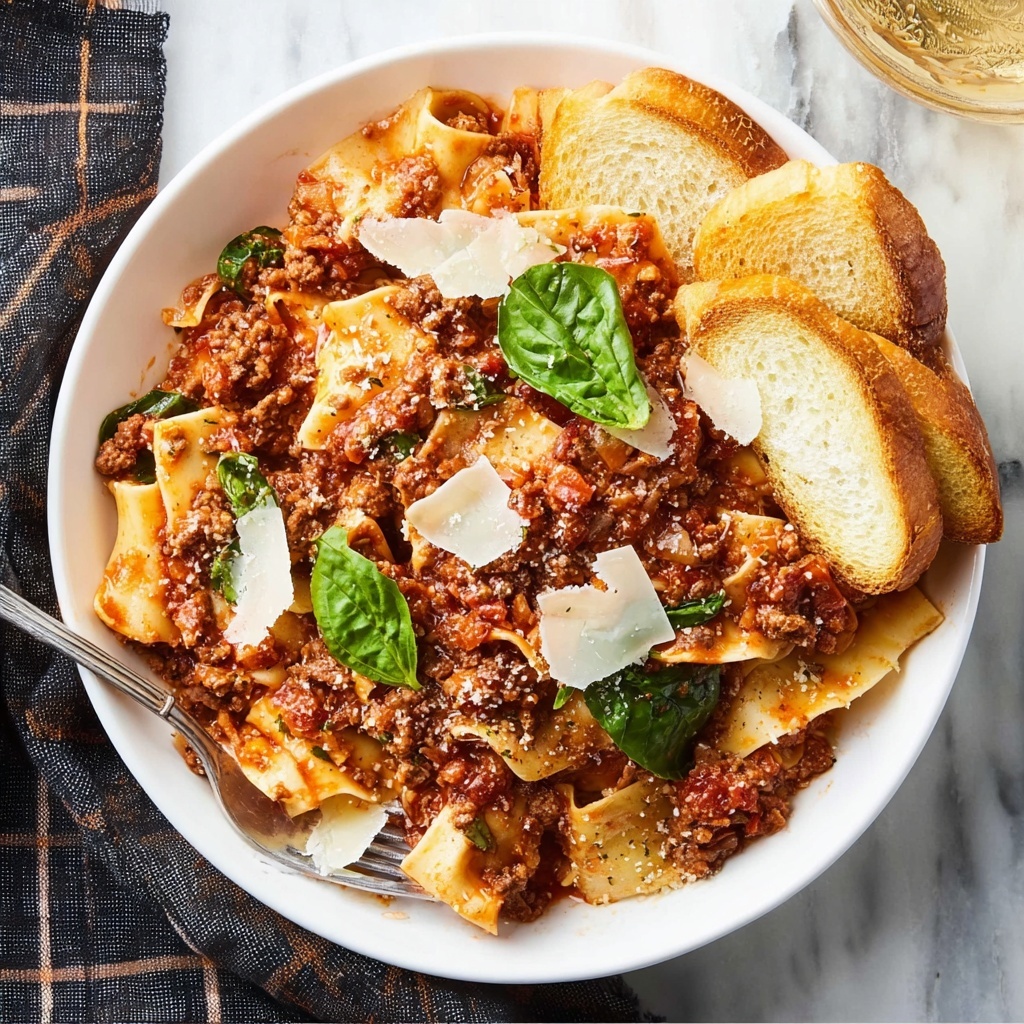
If you’ve ever dreamed of capturing the heart and soul of Italian comfort food in one unforgettable dish, this Classic Slow-Simmered Beef Bolognese Recipe is exactly what you need. It’s a masterclass in slow cooking where fresh ingredients meld together over hours to create a rich, aromatic sauce packed with layers of flavor that only patience and love can bring. From the tender browned beef to the fragrant basil and perfectly balanced tomato base, this recipe promises a deeply satisfying meal that warms the soul and pleases every appetite.
Ingredients You’ll Need
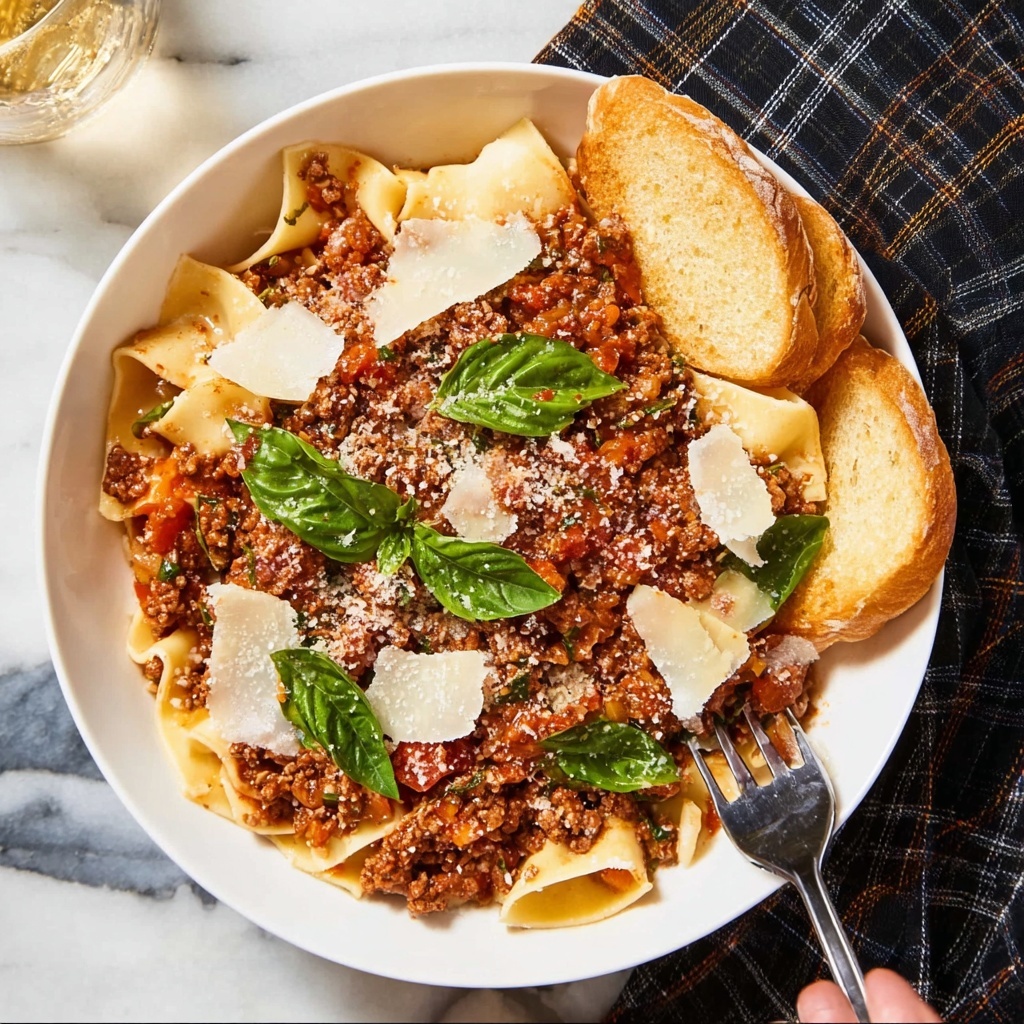
This Classic Slow-Simmered Beef Bolognese Recipe comes alive with a few simple but essential ingredients. Each one plays a starring role, from the fresh basil adding delicate herbal notes, to the ground chuck delivering the hearty, juicy foundation. Together, they build a rich and luscious sauce perfect for cozy dinners.
- Fresh basil leaves (12 medium-large): These bring a fresh, aromatic pop and become delightfully crispy when fried.
- Extra virgin olive oil (2 tablespoons): Adds a fruity richness that forms the sauce’s flavorful base.
- Unsalted butter (3 tablespoons, divided): Provides creamy depth and a velvety texture.
- Yellow onion (½ small, peeled and minced): Lends a subtle sweetness and savory complexity when sautéed.
- Minced carrot (¼ cup): Adds natural sweetness and a touch of color to balance the acidity of the tomatoes.
- Minced celery (¼ cup, optional): Contributes an earthy undertone and faint crunch, traditional in Bolognese.
- Ground chuck (1 pound): Our hearty, flavor-packed meat base that browns beautifully for a rich sauce.
- Kosher salt: Essential for seasoning and highlighting every ingredient’s best qualities.
- Dry white wine (1 cup): Brings acidity and complexity, helping to deglaze the pan and deepen flavors.
- Whole milk (½ cup): Adds mellow creaminess and tenderizes the meat as it simmers.
- Whole nutmeg (2 gratings): Offers a warm, subtle spice that rounds out the sauce’s flavor profile.
- Imported Italian Roma tomatoes (1 28-ounce can, preferably San Marzano): The star ingredient, these tomatoes give the sauce a rich, vibrant body and authentic Italian taste.
- Pasta (1 pound, for serving): Cook according to package instructions; your perfect vehicle for this luscious sauce.
- Parmigiano-Reggiano (freshly grated, for serving): A savory topping that adds salty, nutty brightness and indulgence.
How to Make Classic Slow-Simmered Beef Bolognese Recipe
Step 1: Infuse Olive Oil with Basil
Begin by heating a heavy-bottomed saucepan or Dutch oven over medium heat and adding the olive oil. Once shimmering, gently fry the fresh basil leaves until they’re crispy but not browned. This simple step releases the basil’s bright aroma and infuses the oil with vibrant herbal flavor. Set the crispy leaves aside on paper towels to drain; they’ll make a beautiful garnish later.
Step 2: Sauté the Vegetables in Butter
Add two tablespoons of butter to the infused olive oil and toss in the minced onion, carrot, and celery. Sauté until the vegetables take on a lovely light brown color, sweetening their flavor and building a flavorful base. This classic soffritto mix is the secret to the complexity and balance in your sauce.
Step 3: Brown the Ground Chuck
Introduce the ground chuck to the pan, breaking it up into small chunks as you cook. You want it to brown nicely but leave a little pink at this stage. The browning creates those deep, savory notes that make a perfect Bolognese.
Step 4: Season and Finish Cooking the Beef
Sprinkle kosher salt over the meat to enhance the natural flavors. Keep stirring and cooking the beef until it’s fully cooked and nicely browned throughout, developing that melt-in-your-mouth texture essential to this dish.
Step 5: Deglaze with White Wine
Pour in the dry white wine, and raise the heat slightly so the liquid begins to bubble and reduce. Stir occasionally until most of the wine has evaporated, leaving behind a subtle tang and richness that lift the overall sauce.
Step 6: Add Milk and Nutmeg
Pour the whole milk into the pot along with two gratings of fresh nutmeg. This adds a gentle creaminess and a warm spice note that round out the sharpness of the tomatoes and wine. Let the milk reduce, stirring often, until it’s almost fully evaporated, intensifying the sauce’s luxurious texture.
Step 7: Incorporate the Tomatoes
Coarsely chop the imported Italian Roma tomatoes in a bowl, then add them to your pot. Season again with salt to balance the acidity. The tomatoes form the rich, luscious heart of this slow-simmered masterpiece.
Step 8: Bring to a Soft Boil and Simmer Gently
Allow the sauce to just reach a gentle boil, then immediately lower the heat to its lowest setting. You want the sauce to simmer ever so softly, coaxing all the flavors to meld slowly without aggressive bubbling.
Step 9: Slow-Simmer the Sauce for 3 Hours
Let the sauce cook uncovered for three full hours, stirring every 10 to 15 minutes to prevent sticking and ensure even cooking. This slow, steady simmer is the magic that deepens the flavors and melts everything into a harmonious, velvety sauce.
Step 10: Adjust Liquid as Needed
If the sauce’s liquid evaporates before your three hours are up, stir in half a cup of water to keep things from drying out. This keeps the sauce rich and saucy without burning.
Step 11: Final Reduction
Once the three hours are complete, check that all the liquid has evaporated to your liking — the sauce should cling thickly to your spoon with a velvety finish. Then remove the pot from the heat, your Bolognese is ready to serve.
Step 12: Serve with Pasta and Garnish
Plate the sauce over freshly cooked pasta and crown each portion with two or three of the crispy fried basil leaves you set aside earlier. Finish generously with freshly grated Parmigiano-Reggiano for that authentic Italian touch.
How to Serve Classic Slow-Simmered Beef Bolognese Recipe
Garnishes
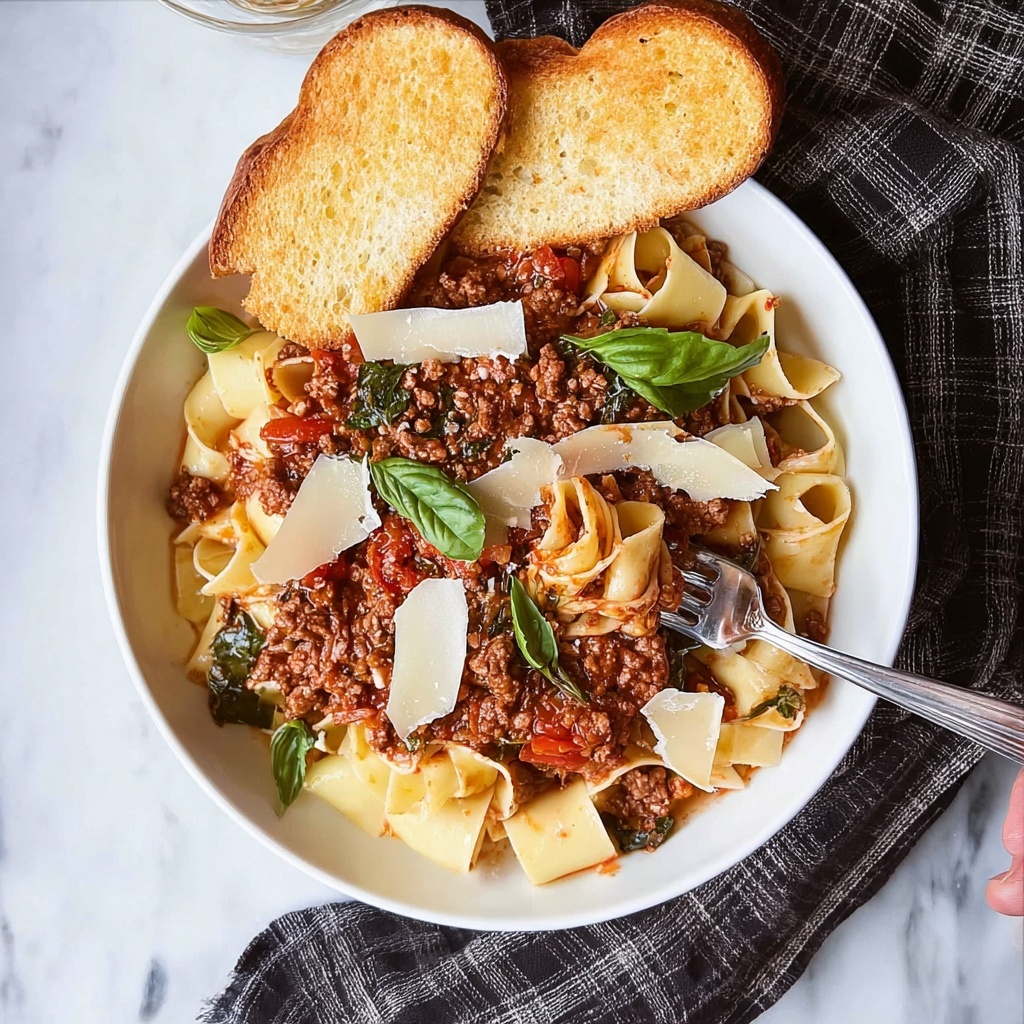
While the fried basil leaves bring a satisfying crunch and fragrant burst, freshly grated Parmigiano-Reggiano cheese adds a salty, nutty richness. You can also sprinkle freshly cracked black pepper or a drizzle of extra virgin olive oil for a glossy finish that will make every bite sing.
Side Dishes
This hearty Classic Slow-Simmered Beef Bolognese Recipe pairs beautifully with simple sides that won’t steal the show. A crisp green salad with lemon vinaigrette or buttery garlic bread serves as perfect complements, adding freshness and texture to the meal.
Creative Ways to Present
For something special, serve the Bolognese sauce atop creamy polenta instead of pasta for a silky contrast, or spoon it over roasted spaghetti squash for a low-carb twist. You can even use the sauce as a rich filling for stuffed bell peppers or lasagna layers to mix things up while keeping that beloved flavor.
Make Ahead and Storage
Storing Leftovers
Leftover Classic Slow-Simmered Beef Bolognese Recipe is a delight to keep on hand. Store it in an airtight container in the refrigerator for up to four days. The flavors deepen even further as it rests, making cold or reheated portions just as scrumptious.
Freezing
This sauce freezes exceptionally well. Portion it into freezer-safe containers or heavy-duty ziplock bags and freeze for up to three months. When you want a comforting meal, just thaw overnight in the fridge and warm gently on the stove.
Reheating
To reheat, gently warm the sauce over low heat in a saucepan, stirring frequently. Add a splash of water or broth if it feels too thick. Avoid microwaving if possible, to preserve the rich texture and slow-cooked flavor nuances.
FAQs
Can I use a different type of meat for this Classic Slow-Simmered Beef Bolognese Recipe?
Absolutely! While ground chuck is ideal for its fat content and flavor, you can substitute ground pork, veal, or a mix of meats to suit your taste. Just keep in mind that different meats may alter the texture and richness slightly.
Why is the slow simmer so important in this Bolognese recipe?
The slow simmer allows the flavors to fully develop and meld, deepening the sauce’s complexity. It also tenderizes the meat and reduces the liquid naturally, resulting in a luxurious texture no quick-cook method can match.
Can I skip the wine or milk in the recipe?
Both ingredients add unique layers of flavor—the wine adds acidity and brightness, and the milk adds creaminess. You can omit them if needed, but the final sauce won’t have quite the same depth and balance.
How do I know when the Bolognese sauce is done?
The sauce is finished when it’s thickened and almost all the liquid has evaporated after three hours of simmering, clinging richly to a spoon. It should look silky and smell deeply savory with no watery parts.
What pasta shapes work best with this beef Bolognese?
Traditional thicker pastas like tagliatelle, pappardelle, or rigatoni are perfect because they hold the hearty sauce well. That said, any pasta you love will work, so feel free to experiment!
Final Thoughts
Making this Classic Slow-Simmered Beef Bolognese Recipe is more than just cooking — it’s a joyful ritual that fills your kitchen with irresistible aromas and promises a rewarding meal. If you’re ready to treat yourself and those you love to authentic Italian comfort, give this recipe a try. Slow down, savor every step, and dig in! You won’t regret it.
“`
Print
Classic Slow-Simmered Beef Bolognese Recipe
- Prep Time: 30 minutes
- Cook Time: 3 hours
- Total Time: 3 hours 30 minutes
- Yield: 4 servings
- Category: Main Course
- Method: Stovetop
- Cuisine: Italian
Description
This traditional Beef Bolognese recipe delivers a rich, slow-simmered meat sauce infused with fresh herbs, wine, and milk, resulting in a deeply flavorful and comforting Italian classic. Perfectly paired with pasta and topped with crispy fried basil leaves and freshly grated Parmigiano-Reggiano, it’s a hearty meal ideal for family dinners.
Ingredients
For the Sauce:
- 12 fresh basil leaves (medium-large)
- 2 tablespoons extra virgin olive oil
- 3 tablespoons unsalted butter (divided)
- ½ small yellow onion, peeled and minced
- ¼ cup minced carrot
- ¼ cup minced celery (optional)
- 1 pound ground chuck
- Kosher salt, to taste
- 1 cup dry white wine (good drinking quality)
- ½ cup whole milk
- 2 gratings of whole nutmeg
- 1 28-ounce can imported Italian Roma tomatoes (preferably San Marzano), coarsely chopped
For Serving:
- 1 pound pasta (cooked according to package instructions)
- Freshly grated Parmigiano-Reggiano cheese
Instructions
- Fry Basil Leaves: Heat a heavy-bottomed saucepan or Dutch oven over medium heat. Add the olive oil and, once shimmering, fry the basil leaves until crispy but not browned. Remove with a slotted spoon and drain on paper towels. Set aside.
- Sauté Vegetables: Add 2 tablespoons butter to the oil and sauté the minced onion, carrot, and celery until the vegetables are lightly browned and fragrant.
- Cook Ground Meat: Add the ground chuck to the pot, breaking it up as it cooks. Cook until the meat is slightly pink.
- Season and Brown Meat: Season with kosher salt and continue to cook and stir until the ground chuck is fully cooked and browned evenly.
- Add Wine: Pour in the dry white wine and cook, stirring occasionally, until almost all the liquid has evaporated.
- Add Milk and Nutmeg: Stir in the whole milk and grate fresh nutmeg over the sauce twice. Cook frequently stirring until the milk has nearly evaporated.
- Add Tomatoes: Coarsely chop the canned tomatoes and add them to the pot. Season again lightly with salt.
- Simmer the Sauce: Bring the sauce to a gentle boil, then reduce the heat to the lowest setting so the sauce is barely simmering.
- Slow Cook Uncovered: Cook uncovered for 3 hours, stirring every 10-15 minutes to prevent sticking and ensure even cooking.
- Adjust Liquid As Needed: If the sauce dries out before 3 hours, add ½ cup water incrementally to maintain moisture.
- Finish Cooking: At the end of 3 hours, verify that all excess liquid has evaporated and the sauce is thick.
- Prepare for Serving: Cook pasta according to package instructions and drain.
- Serve: Plate the pasta topped generously with the Bolognese sauce. Garnish each serving with 2-3 crispy fried basil leaves reserved earlier and freshly grated Parmigiano-Reggiano cheese.
- Enjoy: Serve immediately and savor this deeply comforting classic Italian meat sauce.
Notes
- Using fresh basil leaves fried in olive oil adds a unique crispy herb garnish.
- Simmering the sauce for 3 hours develops a rich, concentrated flavor.
- Add water carefully to prevent the sauce from drying out during long cooking.
- Whole milk softens the acidity of tomatoes and enriches the sauce.
- White wine helps to deglaze the pan and adds depth of flavor.
- Ground chuck is preferred for its balance of fat and flavor.
- This sauce freezes well and can be reheated gently before serving.
- For a thicker sauce, cook uncovered as instructed; for thinner, reduce cooking time slightly.