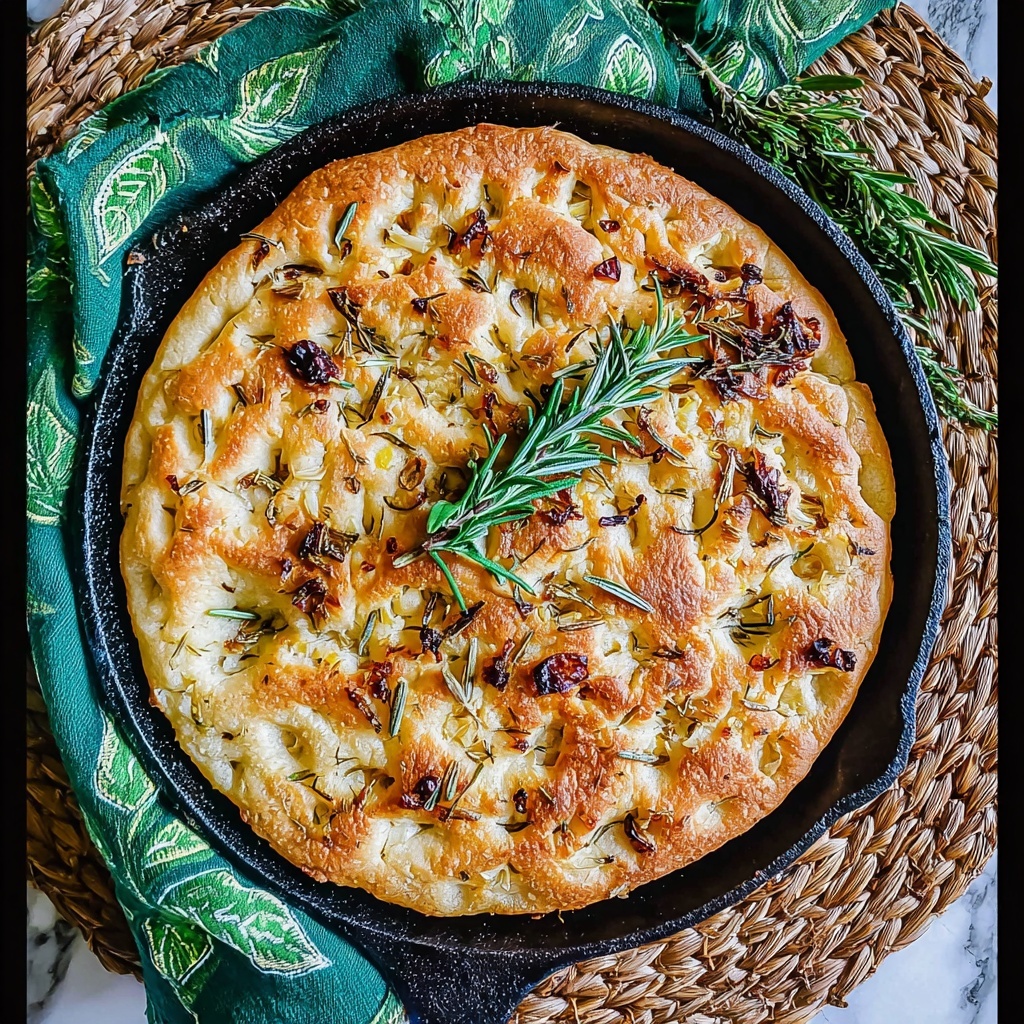
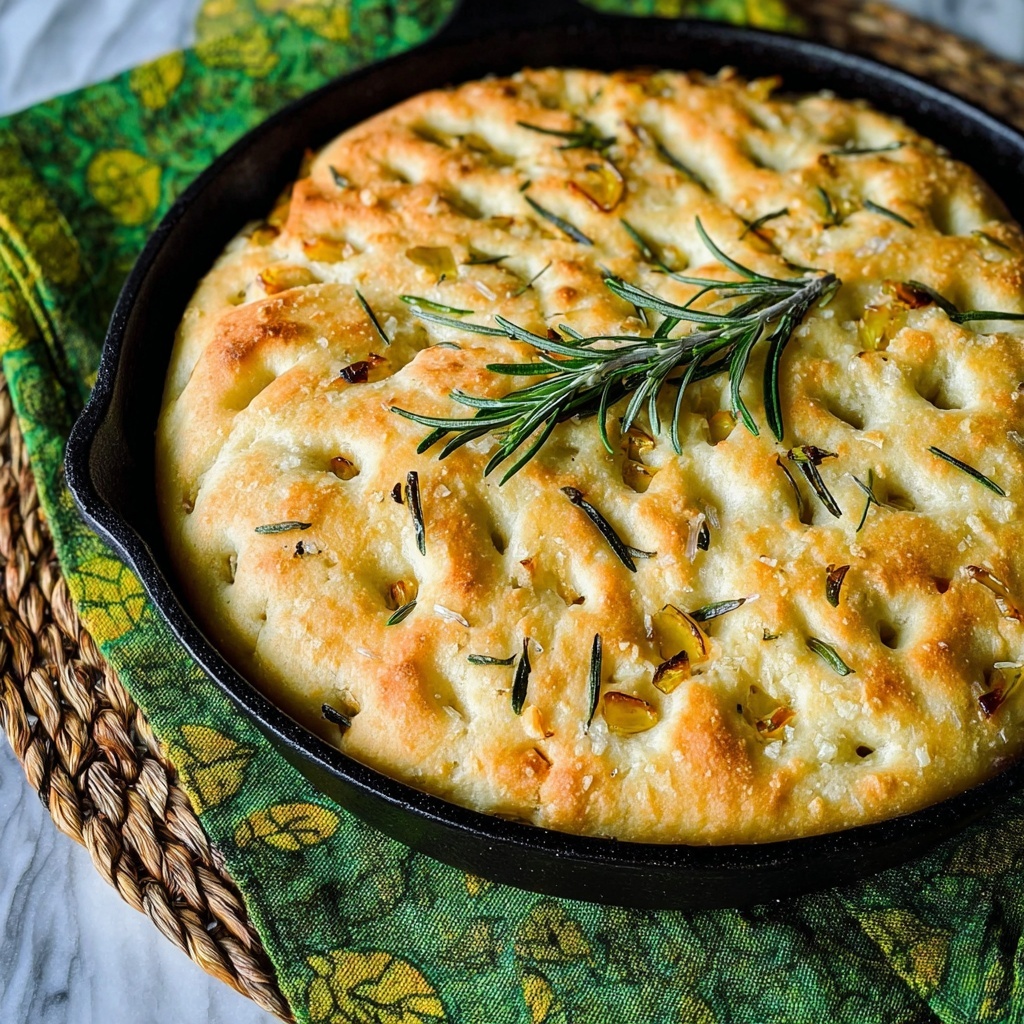
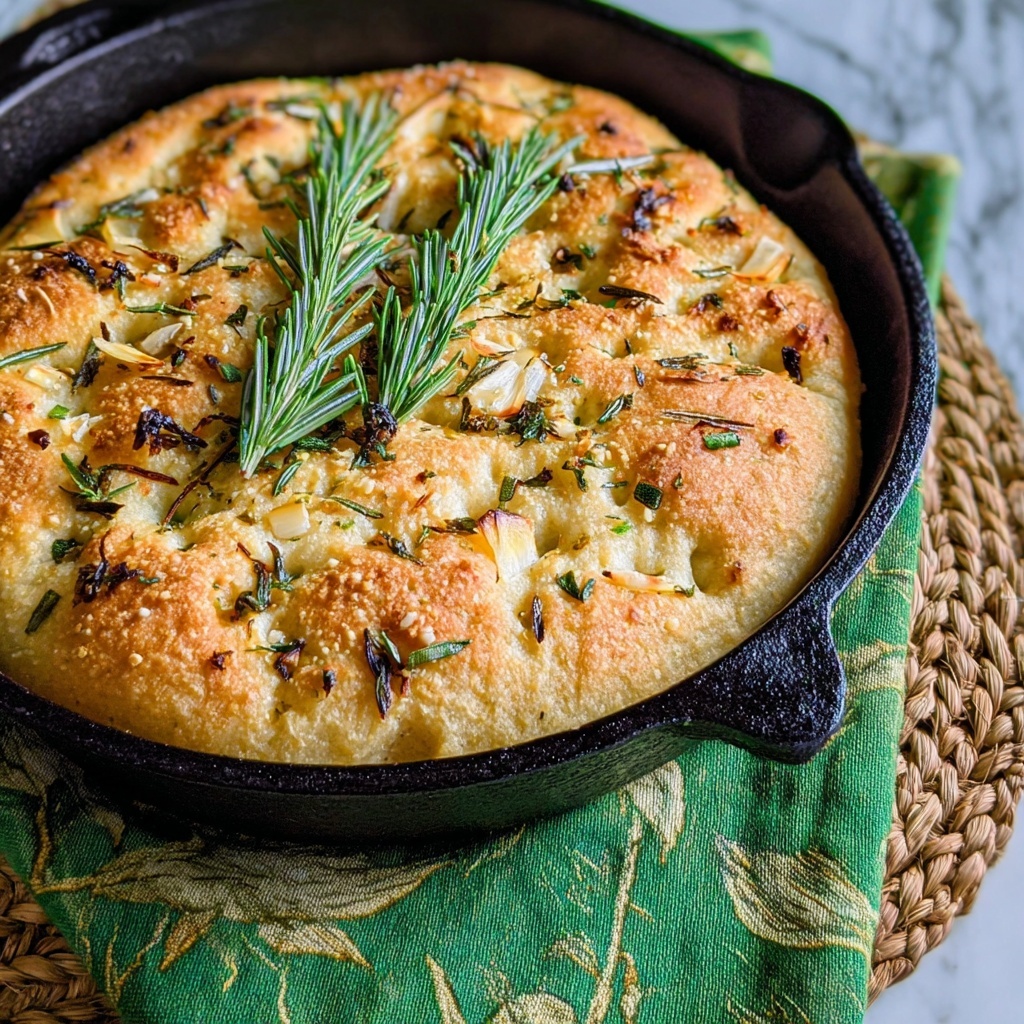
If you love warm, fragrant bread with a crispy crust and tender, aromatic crumb, then you are going to fall head over heels for this Garlic and Rosemary Skillet Bread Recipe. Imagine the cozy scent of fresh garlic and sprigs of rosemary mingling as the bread bakes beautifully in a cast iron skillet, creating a rustic, golden loaf that’s as pleasing to the eyes as it is to the palate. This bread is wonderfully simple to make yet feels so special—perfect for elevating any meal, sharing with friends, or simply enjoying on its own with a drizzle of olive oil. Let me take you through every delicious step of this delightful recipe!
Ingredients You’ll Need
Gathering the right ingredients for the Garlic and Rosemary Skillet Bread Recipe couldn’t be easier, and each one plays its own important role in delivering perfect flavor and texture. From yeast to give the bread its lovely rise to olive oil that keeps things moist and golden, you’ll find this list essential for baking success.
- 1 cup warm water: The perfect bath-like temperature wakes up the yeast without killing it, essential for proper rising.
- 1 tablespoon white sugar: Feeds the yeast to start that bubbly fermentation.
- 1 tablespoon active dry yeast: The magic behind the airy texture of the bread.
- 3/4 teaspoon sea salt: Enhances flavor and balances the sweetness.
- 1/4 cup olive oil (for dough): Adds moisture and a subtle richness to the bread.
- 2 1/4 cups all-purpose or bread flour: The sturdy foundation for your loaf; add more as needed for workable dough.
- 1 tablespoon olive oil (for skillet): Prevents sticking and crisps up the crust.
- 1 tablespoon olive oil (for topping): Gives the crust a gorgeous shine and helps the toppings stick.
- 2 cloves garlic, thinly sliced: Infuses the bread with its signature savory punch.
- 2 sprigs fresh rosemary (or 1 teaspoon dried): Provides that classic herbal aroma and flavor.
- 1/2 teaspoon sea salt: Sprinkled on top to boost taste and finish.
How to Make Garlic and Rosemary Skillet Bread Recipe
Step 1: Activate Your Yeast
Start by combining the warm water, sugar, and yeast in a large bowl or stand mixer. Stir gently and set a timer for 5 minutes. The water should feel like a comfy warm bath on your fingers — neither hot nor cold — to coax the yeast to life. Once it becomes bubbly and foamy, you know your yeast is alive and ready to work its magic. If it’s not showing signs of activity, best to start fresh with new yeast.
Step 2: Mix the Dough
Next, add the sea salt, olive oil, and flour to your yeast mixture. Stir everything together until a soft dough begins to form. If you’re using a stand mixer, switch to a dough hook and knead for about 8 to 10 minutes. Kneading by hand means rolling up your sleeves and working the dough on a floured surface for the same amount of time. You’ll want to add a little extra flour if the dough is too sticky, but keep it just soft and workable—it should feel a bit tacky to the touch.
Step 3: First Rise Journey
Grease a large bowl lightly and place your dough inside, shaping it into a ball. Turn the ball to coat it with a thin layer of olive oil, which helps prevent drying out. Cover the bowl with plastic wrap and set it aside to rise for 45 minutes. This slow rise encourages wonderful flavor development and that airy texture we’re aiming for.
Step 4: Shape and Score
Once the dough has puffed up, prepare your 10-inch cast iron skillet by coating it with olive oil. Gently punch down the dough to release excess air and press it evenly into the bottom of the skillet. Use a sharp knife to score a crisscross pattern on top, which not only looks beautiful but helps the bread expand nicely during baking.
Step 5: Add Flavorful Toppings and Second Rise
Brush the dough with a tablespoon of olive oil, then sprinkle on your thinly sliced garlic, chopped rosemary, and a final sprinkle of salt. This topping mixture infuses every bite with intense aroma and flavor. Cover loosely with plastic wrap and let the dough rise again for 20 minutes, allowing the garlic and rosemary to meld even better with the dough.
Step 6: Bake to Golden Perfection
Preheat your oven to 400 degrees Fahrenheit. Once the dough has risen the second time, pop the skillet into the hot oven and bake for 20 to 25 minutes. You’re looking for a light golden brown crust all over—crusty on the outside and soft in the middle.
Step 7: Cool and Finish
Remove the skillet bread from the oven and immediately take the bread out of the skillet onto a wire rack. This step is key! Leaving it in the skillet causes the crust to lose its crispness and become soggy. Let it cool just a bit, then drizzle with more olive oil, slice into wedges, and get ready to enjoy.
How to Serve Garlic and Rosemary Skillet Bread Recipe
Garnishes
Garnishing your garlic and rosemary skillet bread is part of the fun and flavor. A fresh sprinkle of flaky sea salt right before serving enhances its taste beautifully, while a light drizzle of extra virgin olive oil adds shine and moisture. For a touch of color and added specialty, toss on some finely chopped fresh herbs like parsley or thyme.
Side Dishes
This delectable bread shines alongside a variety of dishes. It’s a superb companion to hearty soups like tomato basil or creamy potato leek, perfect for dunking and soaking up flavors. It also pairs wonderfully with salads, roasted vegetables, or as a side to your favorite Italian dishes such as pasta or risotto.
Creative Ways to Present
Take your Garlic and Rosemary Skillet Bread Recipe up a notch by serving it with a selection of dips like whipped feta, roasted red pepper hummus, or balsamic-infused olive oil. Slice it into thick wedges and make open-faced mini sandwiches with prosciutto and fresh mozzarella for a party-ready appetizer. Alternatively, transform it into garlic bread by re-heating with extra garlic butter and a sprinkle of Parmesan cheese.
Make Ahead and Storage
Storing Leftovers
If you happen to have leftovers (which is rare around here!), wrap the bread in foil or place it in an airtight container at room temperature. It will stay fresh for up to two days. Keep it away from humid areas to maintain the crust’s crispness.
Freezing
You can freeze this skillet bread for longer storage by wrapping it tightly in plastic wrap followed by aluminum foil or using a freezer-safe zip-top bag. It will maintain its best quality for up to one month. Thaw overnight at room temperature before reheating.
Reheating
To bring your bread back to life, reheat it in a preheated oven at 350 degrees Fahrenheit for about 10 minutes. This helps restore the crisp crust while warming the inside to soft, pillowy perfection, almost as good as fresh from the oven!
FAQs
Can I use dried rosemary instead of fresh?
Absolutely! Dried rosemary works well in the Garlic and Rosemary Skillet Bread Recipe. Use about one teaspoon dried rosemary to substitute for two sprigs of fresh. Just be mindful that dried herbs can be more potent, so a little goes a long way.
What if I don’t have a cast iron skillet?
A heavy oven-safe skillet or baking dish will do in a pinch, but cast iron creates the best crust by evenly distributing heat and retaining it during baking. If possible, investing in a cast iron skillet is worth it for recipes like this one!
Can I make this recipe vegan?
The traditional recipe is already vegan-friendly since it does not include dairy or eggs. Just be sure your yeast and sugar are vegan-certified if you follow strict guidelines.
How do I know when the bread is fully baked?
Look for a light golden brown top crust that’s firm to the touch. You can also tap the bottom of the loaf (once out of the pan) — it should sound hollow, indicating it’s cooked through.
Can I add other herbs or ingredients?
Definitely! This recipe is quite flexible. Feel free to experiment with thyme, oregano, or even add olives or sun-dried tomatoes to the dough for exciting flavor twists while keeping the heart of the Garlic and Rosemary Skillet Bread Recipe.
Final Thoughts
There is something so deeply comforting about baking bread with your own hands, especially when it’s this flavorful and foolproof Garlic and Rosemary Skillet Bread Recipe. From the aromatic garlic and herb topping to the crispy crust and tender crumb, every bite feels like a warm hug. I really encourage you to try this recipe soon—it’s perfect for any level of baker and promises to elevate your meals effortlessly. Happy baking and even happier eating!
Print
Garlic and Rosemary Skillet Bread Recipe
- Prep Time: 20 minutes
- Cook Time: 20-25 minutes
- Total Time: 1 hour 5 minutes
- Yield: 6 to 6.6 servings
- Category: Bread
- Method: Baking
- Cuisine: Italian
Description
This Garlic and Rosemary Skillet Bread is a fragrant, rustic loaf with a crisp crust and tender crumb, perfect for serving warm with olive oil or alongside your favorite meals. Infused with fresh garlic and rosemary, this bread is baked in a cast iron skillet for a beautifully golden crust and an inviting aroma.
Ingredients
Dough Ingredients
- 1 cup water (warm – not hot! not cold! Test it with your fingers. Like a nice warm bath.)
- 1 tablespoon white sugar
- 1 tablespoon active dry yeast (or 1 package)
- 3/4 teaspoon sea salt (or kosher salt)
- 1/4 cup olive oil (goes in the dough)
- 2 & 1/4 cups all-purpose flour (or bread flour, plus more as needed)
For Skillet and Topping
- 1 tablespoon olive oil (for bottom of skillet)
- 1 tablespoon olive oil (for top of bread)
- 2 cloves garlic (thinly sliced)
- 2 sprigs rosemary (fresh, chopped or 1 teaspoon dried)
- 1/2 teaspoon sea salt (or kosher salt)
Instructions
- Activate the Yeast: In a large bowl or stand mixer, add the warm water, sugar, and yeast. Stir gently and set a timer for 5 minutes to allow the yeast to become bubbly and foamy, indicating it is active.
- Check Yeast Activity: After 5 minutes, ensure the mixture is foamy. If not, discard and start over with fresh yeast and warm water to ensure good rise.
- Make the Dough: Add 3/4 teaspoon sea salt, 1/4 cup olive oil, and 2 1/4 cups all-purpose flour to the yeast mixture. Stir with a spoon until a soft dough forms. Knead the dough either using a stand mixer with a dough hook or by hand on a floured surface for 8-10 minutes until smooth and elastic, adding up to an additional 1/4 cup flour if it is too sticky.
- First Rise: Lightly grease a large bowl with olive oil. Shape the dough into a ball, place it in the bowl, and turn to coat with oil. Cover tightly with plastic wrap and let it rise in a warm spot for 45 minutes until doubled in size.
- Prepare Skillet and Shape Dough: Generously oil a 10-inch cast iron skillet with 1 tablespoon olive oil. Punch down the dough and press it evenly into the skillet. Use a sharp knife to score the dough top in a crisscross pattern for better texture and appearance.
- Add Toppings: Brush the top of the dough with 1 tablespoon olive oil. Evenly sprinkle the thinly sliced garlic, chopped fresh rosemary, and 1/2 teaspoon sea salt over the surface.
- Second Rise: Loosely cover the bread in the skillet with plastic wrap and allow it to rise for another 20 minutes to puff slightly before baking.
- Preheat Oven: While the bread is rising the second time, preheat your oven to 400°F (204°C).
- Bake: Place the skillet in the preheated oven and bake the bread for 20 to 25 minutes until the crust is a light golden brown all over and cooked through.
- Cool Properly: Remove the skillet from the oven and carefully take the bread out onto a wire rack immediately to prevent soggy crust. Let cool slightly before serving.
- Serve: Drizzle the finished bread with extra olive oil, slice into wedges, and serve warm to enjoy the garlic and rosemary infused flavors.
Notes
- Use warm water that’s comfortable to the touch (around 100-110°F or 37-43°C) to activate yeast without killing it.
- Adding more flour as needed during kneading is important to achieve a dough that is soft and slightly sticky but workable.
- Letting the bread cool on a wire rack immediately after baking preserves the crust’s crispiness.
- A cast iron skillet provides ideal heat distribution for this bread, giving it a crispy crust and tender crumb.
- Feel free to adjust garlic and rosemary quantities based on your flavor preference.