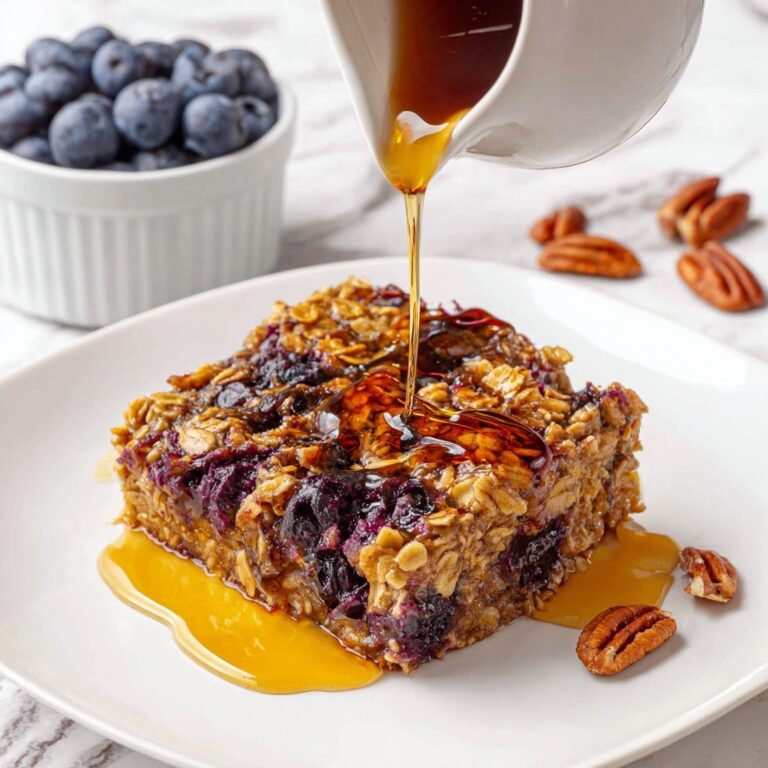
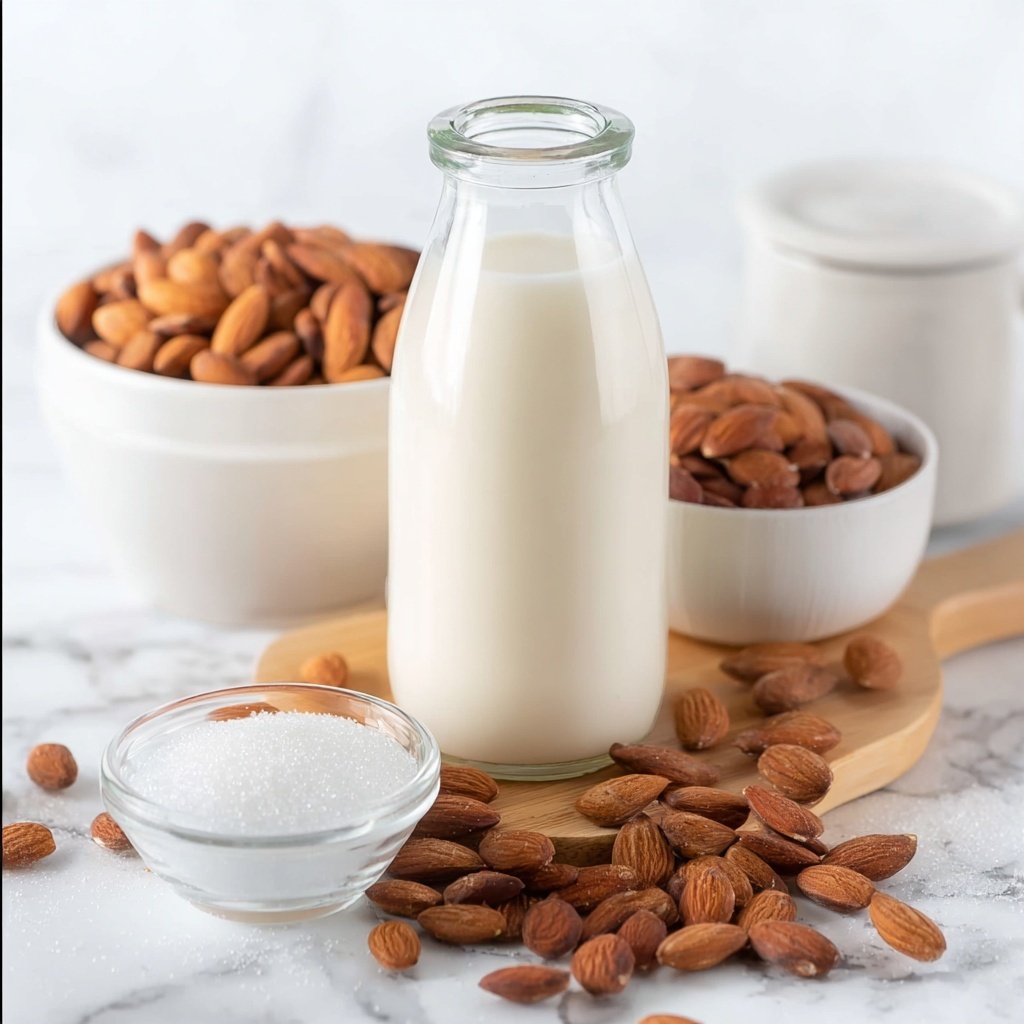
If you’ve ever wanted to create a creamy, delicious, and fresh dairy alternative right in your own kitchen, this Homemade Almond Milk Recipe is going to become your new favorite go-to. It’s not just any plant milk; it’s smooth, rich, and naturally sweet when you follow these simple steps. You’ll be amazed by how wholesome and pure your almond milk can be, making it perfect for everything from your morning coffee to baking treats or simply enjoying on its own.
Ingredients You’ll Need
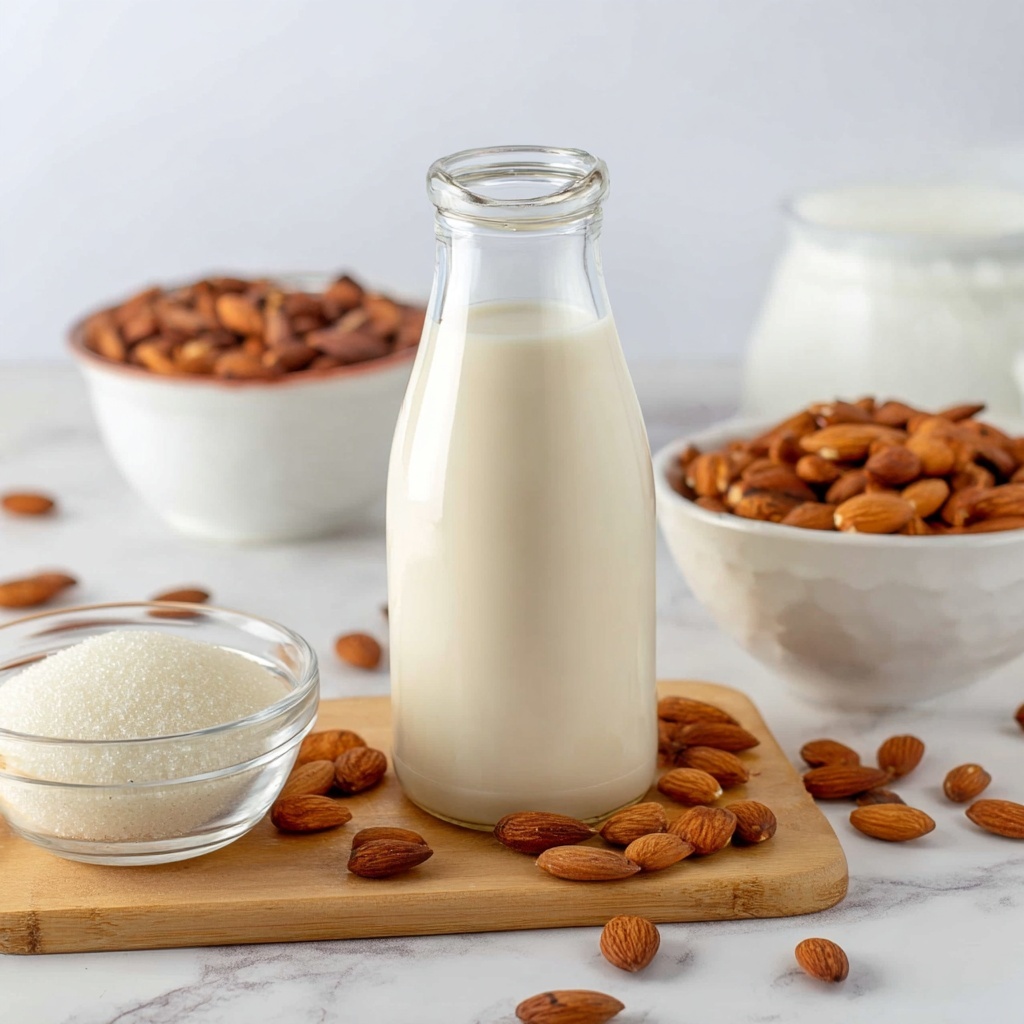
The beauty of this Homemade Almond Milk Recipe is in its simplicity. With just a handful of natural ingredients, each adding something special, you’re set up for success. Fresh almonds provide that classic nutty flavor and creamy texture, while a pinch of salt highlights the sweetness and balances the taste perfectly.
- Raw Almonds: These are the star ingredient, providing the rich, nutty base for your milk.
- Water: The main liquid element that turns soaked almonds into silky almond milk; using fresh, clean water makes all the difference.
- Salt: Just a small pinch enhances the natural sweetness and depth of flavor.
- Optional Dates: For a touch of natural sweetness, you can add dates before blending.
- Vanilla Extract (optional): A splash brings a lovely warm note to your milk without overpowering it.
How to Make Homemade Almond Milk Recipe
Step 1: Soak the Almonds
Begin by placing 1 cup of raw almonds in a bowl and cover them with about 1 ½ cups of water. Soaking softens the almonds, making them easier to blend and unlocking enzymes that improve digestibility and flavor. For the best creaminess and taste, let them rest overnight or even up to a couple of days if you have the patience.
Step 2: Drain and Rinse
Once your almonds have soaked, drain the water and rinse the nuts thoroughly under cool running water. This rinsing removes any residue left from soaking and freshens up the almonds, making them ready for blending.
Step 3: Blend the Almonds
Now it’s time to add the soaked almonds to your blender along with 4 cups of fresh water and a ¼ teaspoon of salt. If you’re adding dates for sweetness, toss those in as well. Blend everything on medium to high speed for about 1.5 to 2 minutes until the mixture looks creamy and smooth. This step is where the raw almonds transform into a silky milk.
Step 4: Strain the Milk
Place a fine mesh strainer over a bowl and cover it with a doubled piece of cheesecloth. Pour the almond mixture through, allowing the liquid to strain into the bowl below. Gently shake or press the mixture to extract as much milk as possible, but be patient—it’s worth it! For an even smoother result, you can strain the milk more than once.
Step 5: Add Vanilla and Final Stir
After straining, stir in a bit of vanilla if you like—a splash will add a subtle warmth and a hint of sweetness that gently complements the natural almond flavor. This step is optional but highly recommended if you want to elevate your Homemade Almond Milk Recipe.
Step 6: Store Your Almond Milk
Transfer your fresh almond milk into a sealed jar or container and keep it refrigerated. It will stay fresh for up to 4 days—just shake the jar before each use as natural separation occurs. Fresh, homemade, and ready to enjoy whenever you want!
How to Serve Homemade Almond Milk Recipe
Garnishes
Serving your homemade almond milk with a sprinkle of cinnamon or nutmeg can add a cozy, aromatic touch that makes sipping even more comforting. Alternatively, stirring in a dash of cocoa powder or a drizzle of honey can personalize your drink and give it an extra pop of flavor.
Side Dishes
This almond milk pairs beautifully with warm baked goods like muffins, banana bread, or your favorite oatmeal bowl. It’s also fantastic alongside fresh fruit or granola for a wholesome breakfast that feels nurturing and satisfying.
Creative Ways to Present
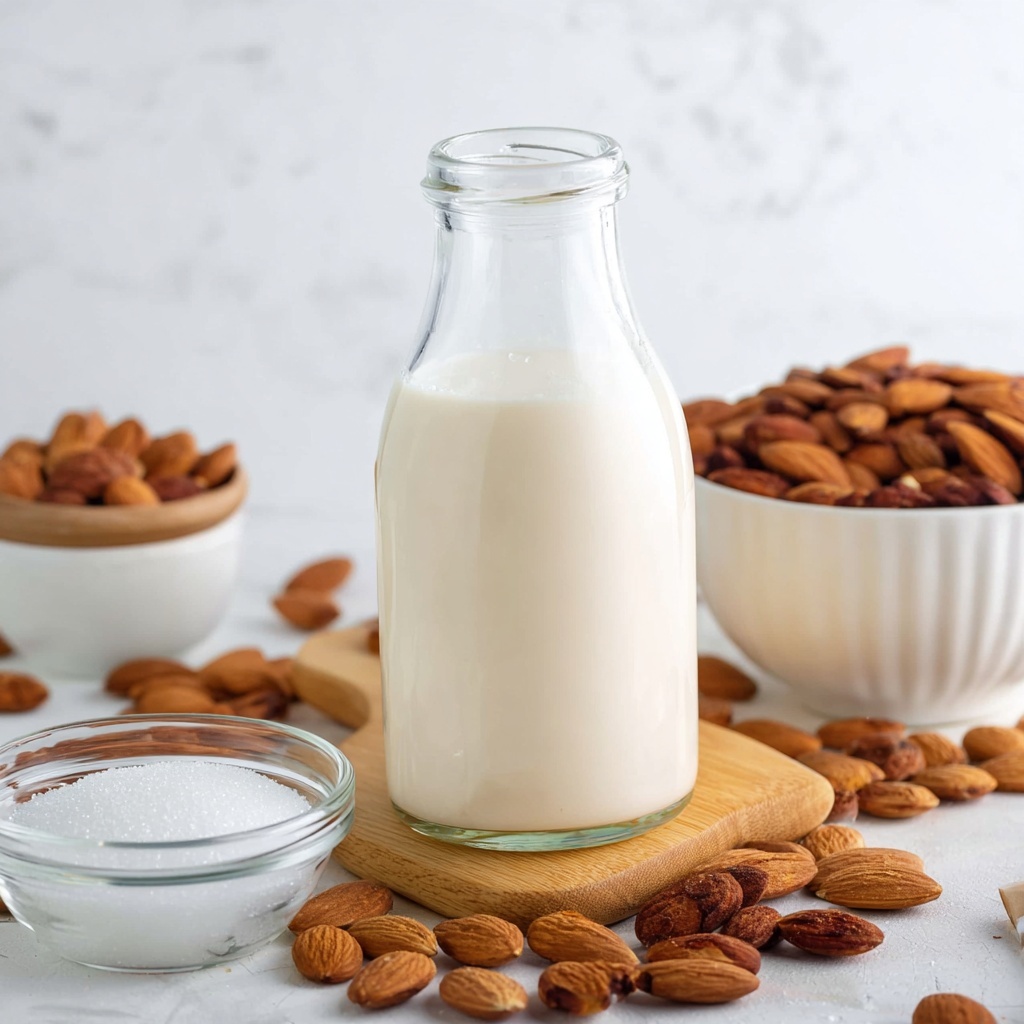
Try chilling your homemade almond milk in pretty glass bottles or serve over ice with a cinnamon stick for stirring—presentation can turn a simple glass of almond milk into a café-style treat that feels special and inviting.
Make Ahead and Storage
Storing Leftovers
Your homemade almond milk should always be kept in the fridge in an airtight container to maintain freshness. Shake well before each use as the natural components will settle. It should last up to 4 days.
Freezing
While freezing almond milk is possible, it’s not usually recommended because it can separate once thawed. If you do freeze it, use airtight freezer-safe containers and expect the texture to change slightly—best for cooking or baking rather than drinking.
Reheating
If you like your almond milk warm, gently heat it on the stove over low heat or in the microwave for short intervals. Avoid boiling as it can alter the flavor and texture.
FAQs
Can I use roasted almonds instead of raw?
Raw almonds are best because roasting can change the flavor and make the milk taste bitter or less fresh. For the creamiest, smoothest milk, stick with raw.
Do I have to add dates or sweeteners?
Nope! The Homemade Almond Milk Recipe tastes delicious even without added sweeteners. Dates or vanilla are just optional extras if you prefer a sweeter milk.
What should I do with the leftover almond pulp?
Don’t throw it away! Almond pulp is great to add to smoothies, baked goods, or even granola for extra fiber and nutrients.
Can I make this recipe nut-free?
This recipe specifically uses almonds, so it’s not suitable for those with nut allergies. However, there are similar milk recipes you can make with seeds like sunflower or oats as a nut-free alternative.
How is homemade almond milk different from store-bought?
Fresh homemade almond milk is free from preservatives, stabilizers, and added sugars that you often find in store-bought versions. Plus, it tastes fresher and you can customize the flavor exactly how you like it.
Final Thoughts
Once you try this Homemade Almond Milk Recipe, you’ll wonder why you ever bought almond milk from the store. It’s straightforward, fresh, and utterly delicious with every sip packing wholesome, natural flavor. Give it a try, and you’ll have a fresh dairy-free delight on hand that’s perfect for so many uses. Happy blending!
Print
Homemade Almond Milk Recipe
- Prep Time: 10 minutes
- Cook Time: 0 minutes
- Total Time: 10 minutes plus overnight soaking
- Yield: 4.4 cups
- Category: Beverage
- Method: Blending
- Cuisine: Universal
- Diet: Vegan
Description
This homemade almond milk recipe offers a fresh, creamy, and natural alternative to store-bought almond milk. Made from raw almonds soaked overnight and blended with water and a pinch of salt, it’s simple to prepare and perfect for smoothies, coffee, cereals, or drinking straight. Customize it with dates for sweetness or vanilla for extra flavor, and enjoy a nutritious, dairy-free beverage free of additives and preservatives.
Ingredients
Almond Milk Ingredients
- 1 cup Raw Almonds
- 6 ½ cups Water (divided)
- ¼ teaspoon Salt
- Optional: Dates (to taste, for sweetness)
- Optional: Vanilla extract (to taste)
Instructions
- Soak the almonds: Place the raw almonds in a bowl and cover them with about 1 ½ cups of water. Let them soak overnight, or for best results, up to two days to soften and activate the nuts.
- Drain and rinse: After soaking, drain the almonds and rinse them thoroughly under cool running water to remove any residue and prepare them for blending.
- Blend ingredients: Add the soaked almonds, 4 cups of fresh water, salt, and dates if desired into a blender. Blend on medium to high speed for 1.5 to 2 minutes until the mixture is smooth and creamy.
- Strain the mixture: Set a fine mesh strainer over a bowl and layer it with a doubled piece of cheesecloth. Pour the blended almond mixture through the cheesecloth and strainer, gently shaking or pressing to extract as much liquid as possible. Repeat straining if a smoother texture is preferred.
- Add flavoring: Stir in vanilla extract if using, to enhance the flavor of your almond milk.
- Store and serve: Transfer the almond milk to a sealed jar or container and refrigerate. Consume within 4 days and shake well before each use to recombine any settled contents.
Notes
- You can adjust the thickness of your almond milk by varying the amount of water used during blending.
- Add dates before blending to sweeten naturally, or leave unsweetened for a neutral flavor.
- Leftover almond pulp can be dried and used in baking or smoothies, reducing food waste.
- Use a high-speed blender for best results to achieve a smooth and creamy texture.
- Always shake the almond milk before serving as natural separation may occur.