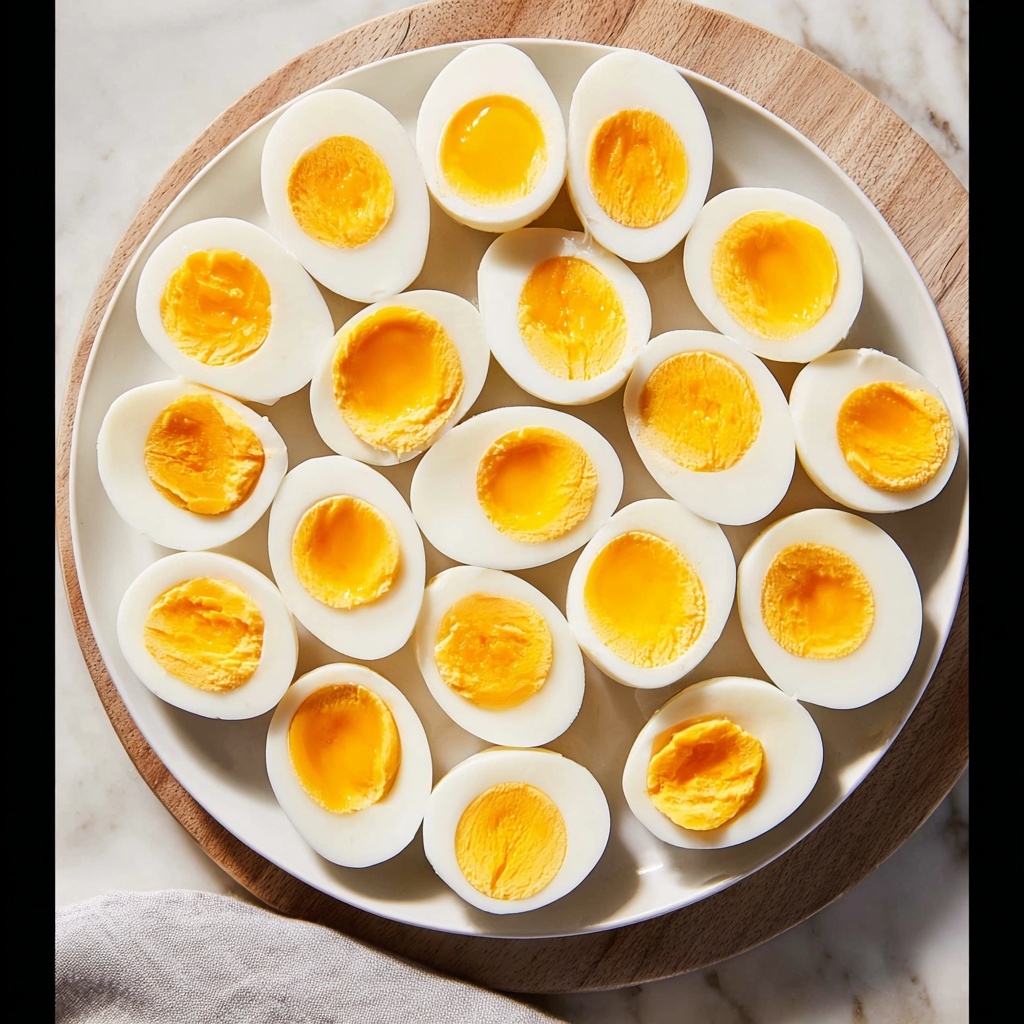
If you’ve ever struggled with getting your eggs just right, this Perfect Hard Boiled Eggs: Simple Step-by-Step Guide Recipe is about to become your new go-to. There’s something so satisfying about peeling back that shell to reveal a perfectly cooked egg inside—no green ring around the yolk, no rubbery whites, just smooth, creamy yolks and tender whites. This method is foolproof, easy to follow, and guarantees eggs cooked exactly the way you love them. Whether you’re prepping for a protein-packed snack, a salad topper, or a classic picnic bite, these hard boiled eggs will steal the show every time.
Ingredients You’ll Need
One of the best things about this recipe is how simple the ingredients are—just a few essentials that are easy to find and absolutely necessary to bring the magic of perfectly cooked eggs to your kitchen. Each element plays a crucial role in texture, temperature control, and flavor.
- 1 dozen eggs: Fresh eggs work great, but slightly older eggs peel more easily, so don’t worry if yours aren’t ultra fresh.
- 1 cup ice: The ice helps stop the cooking process immediately, ensuring your eggs don’t overcook and remain perfectly tender.
- Cold water: Used both for boiling and creating the ice bath, ensuring a gentle cooking environment and rapid cooling.
How to Make Perfect Hard Boiled Eggs: Simple Step-by-Step Guide Recipe
Step 1: Gently Place Eggs in the Pot
Carefully place your eggs in a large pot in a single layer. This prevents cracking during cooking and ensures even heat distribution. Fill the pot with cold water until the eggs are submerged by about one inch. Starting with cold water allows the eggs to heat gradually, preventing cracks and ensuring a smooth cooking process.
Step 2: Bring Water to a Rolling Boil
Place the pot over medium-high heat. You want the water to reach a strong, rolling boil, which means large bubbles continuously break the surface. This is key to cooking the eggs evenly and setting the stage for perfectly cooked whites and yolks inside.
Step 3: Turn Off Heat and Let Eggs Sit Covered
Once boiling, switch off the heat immediately. If your stove doesn’t retain heat well, like an induction cooktop, reduce to the lowest heat and simmer for 1 minute before turning off. Cover the pot with a lid and let the eggs sit on the turned-off burner for 6 to 16 minutes. The timing depends on your preference for yolk texture:
- 6 minutes: Fully set whites with a partly cooked, runny yolk center
- 8 minutes: Fully set whites with a soft, yammy yolk center
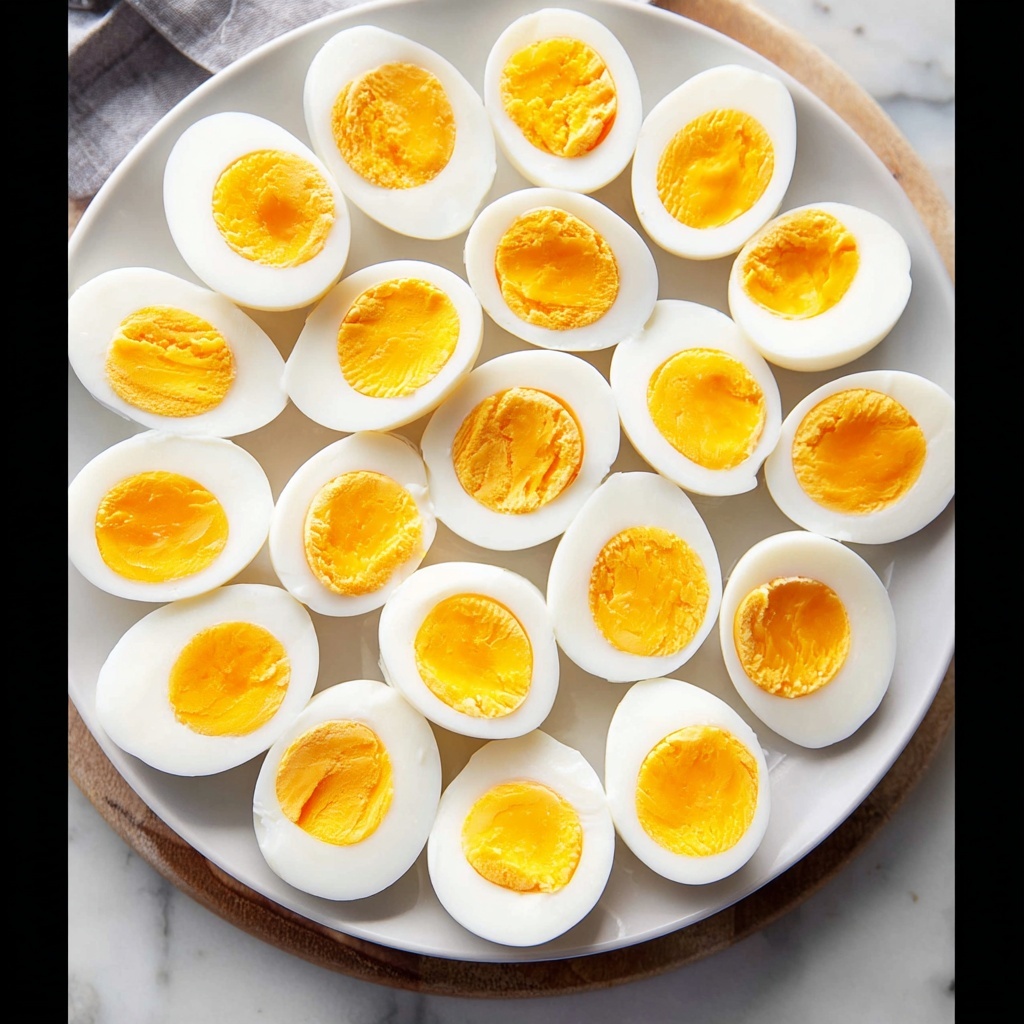
- 12 minutes: Whites and yolk fully cooked with a creamy, fudgy center
- 16 minutes: Fully cooked whites and yolks, firm through and through
Step 4: Prepare the Ice Bath
While the eggs are resting, prepare a large bowl filled with ice and cover it with 4 to 6 cups of cold water. This ice bath is essential to stop the cooking immediately when your eggs are ready, preventing that dreaded green ring and preserving perfect texture.
Step 5: Transfer Eggs to Ice Bath
Use a slotted spoon to carefully remove the eggs from the hot water and place them directly into the ice bath. Let them chill for 5 to 10 minutes. This cooling step not only halts cooking but also makes peeling a breeze, so don’t skip it!
How to Serve Perfect Hard Boiled Eggs: Simple Step-by-Step Guide Recipe
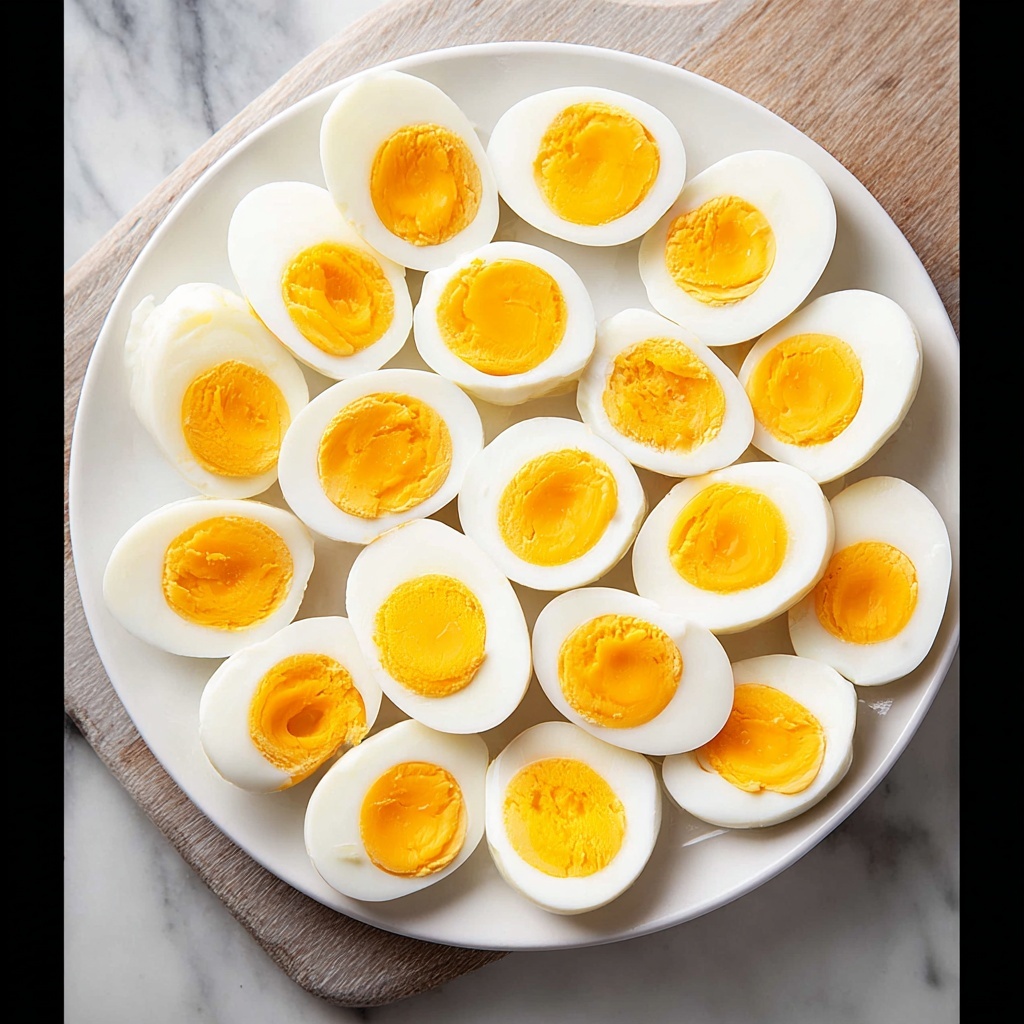
Garnishes
Once peeled, a sprinkle of flaky sea salt and freshly cracked black pepper instantly elevates the natural flavor of these eggs. Feel free to add a pinch of smoked paprika or a drizzle of olive oil for a little extra flair and complexity.
Side Dishes
Hard boiled eggs make an excellent companion to crisp salads, buttery toast, or even creamy avocado. Their protein-packed nature means they pair beautifully with veggies, grains, or dips, making your meal balanced, colorful, and satisfying.
Creative Ways to Present
Why not turn these eggs into colorful deviled eggs with your favorite mix-ins or slice them atop a vibrant noodle bowl? You can also halve and layer them with smoked salmon, fresh herbs, or even incorporate them into a breakfast sandwich for a delightful texture contrast.
Make Ahead and Storage
Storing Leftovers
You can store hard boiled eggs in their shells in the refrigerator for up to one week. Keeping the shells on helps protect the egg from absorbing odors and drying out. If peeled, place them in a sealed container with a damp paper towel to maintain freshness.
Freezing
Freezing whole hard boiled eggs is generally not recommended since the whites become tough and rubbery. However, you can freeze the yolks separately if you plan to use them later in recipes like deviled eggs or egg salad.
Reheating
Because these eggs are best enjoyed cold or at room temperature, reheating can be tricky. To gently warm a peeled egg, place it in hot, not boiling, water for a few minutes, but note this may slightly alter the texture. For the most part, these eggs shine when eaten chilled or lightly seasoned fresh.
FAQs
Can I use eggs straight from the fridge or room temperature?
Yes, both work fine! Starting eggs in cold water allows for even cooking, so whether chilled or room temperature, the outcome is consistent with this method.
Why do some hard boiled eggs have a greenish ring around the yolk?
This happens when eggs are overcooked or held too long in hot water, causing a reaction between iron and sulfur. Following this simple step-by-step guide recipe prevents that from happening by halting cooking with an ice bath.
How do I peel hard boiled eggs easily?
Cooling in an ice bath makes a big difference. You can also gently tap the eggshell all over and peel under running water to help remove stubborn bits.
Can I cook fewer eggs using this method?
Absolutely! Just ensure the eggs sit in a single layer and are covered by about an inch of water. The timing remains the same.
Why is resting the eggs off the heat important?
Letting eggs sit off the heat with the lid on cooks them gently and evenly, preventing tough whites and rubbery yolks that come from continued boiling.
Final Thoughts
There you have it—your ultimate secret to flawless hard boiled eggs that never disappoint. The Perfect Hard Boiled Eggs: Simple Step-by-Step Guide Recipe not only takes the guesswork out of boiling eggs but also turns a humble staple into something truly special. I can’t wait for you to try this method at home and see how simple it is to enjoy eggs just the way you love them every single time!
Print
Perfect Hard Boiled Eggs: Simple Step-by-Step Guide Recipe
- Prep Time: 5 minutes
- Cook Time: 16 minutes
- Total Time: 21 minutes
- Yield: 12 eggs
- Category: Breakfast, Snack
- Method: Stovetop
- Cuisine: Universal
Description
A simple and reliable method to prepare perfect hard boiled eggs with customizable yolk consistency, ranging from slightly runny to fully cooked, using an easy stovetop technique and ice bath cooling.
Ingredients
Ingredients
- 1 dozen eggs
- 1 cup ice
- 4–6 cups cold water (for ice bath)
Instructions
- Prepare Eggs: Gently place the eggs in a large pot. Fill the pot with cold water until the eggs are covered by about 1 inch of water.
- Boil Water: Place the pot over medium-high heat and bring the water to a rolling boil.
- Turn Off Heat and Let Sit: Switch off the heat. For stoves that don’t retain heat well, such as induction, simmer on the lowest heat setting for 1 minute before switching off. Cover the pot with a lid and let the eggs sit on the switched-off burner for 6 to 16 minutes, depending on desired yolk doneness: 6 minutes for fully cooked whites and partly cooked yolk with runny center, 8 minutes for fully cooked whites and creamy yolk center, 12 minutes for fully set yolks with a fudgy center, and 16 minutes for fully cooked whites and yolks.
- Prepare Ice Bath: While the eggs are sitting, place 1 cup of ice in a large bowl and cover with 4 to 6 cups of cold water to create an ice bath.
- Cool Eggs: When the resting time is complete, remove eggs from the hot water and immediately transfer them to the ice bath. Let them sit in the ice bath for 5 to 10 minutes before peeling or storing them in the shell.
Notes
- Adjust the sitting time after boiling to achieve your preferred yolk texture.
- Using an ice bath immediately stops the cooking process and makes peeling easier.
- Store hard boiled eggs in their shells to maintain freshness.
- Fresh eggs can be harder to peel; slightly older eggs peel more easily.