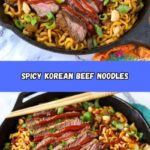
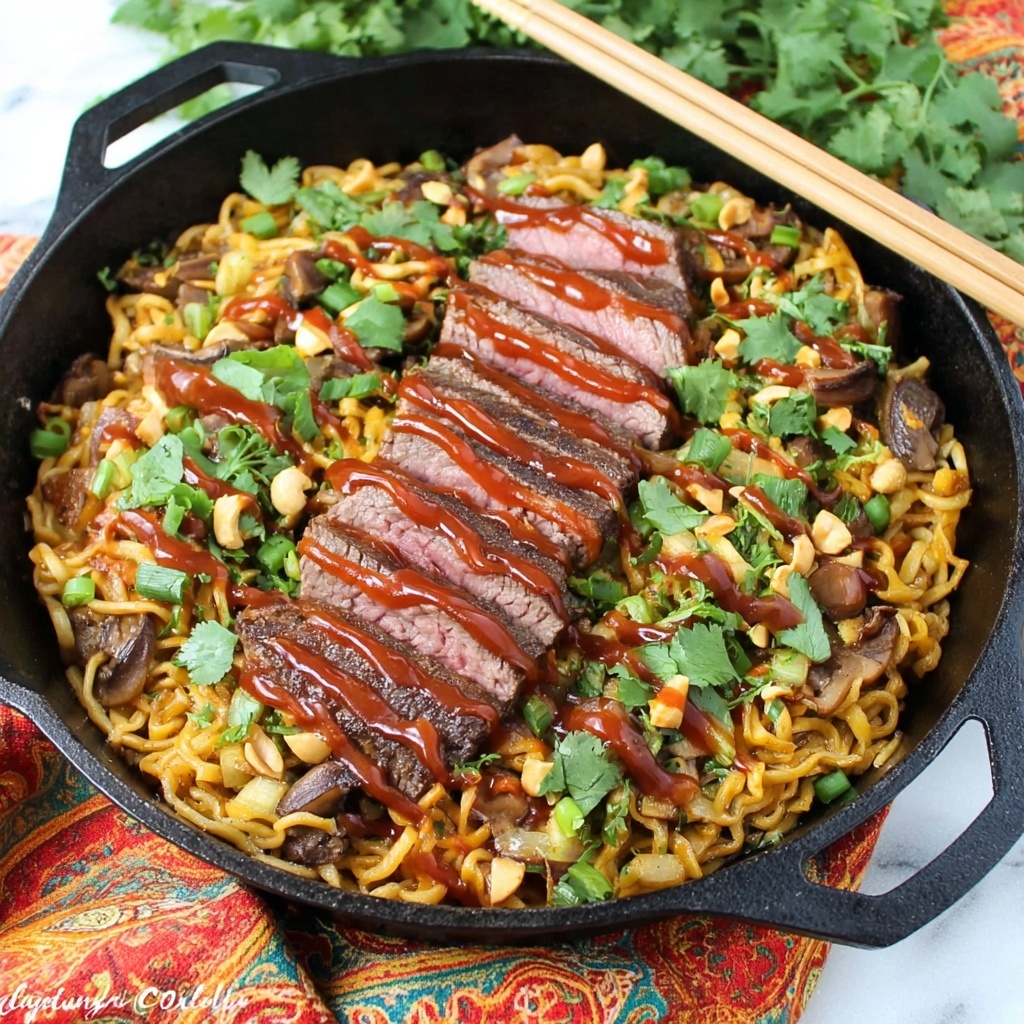
If you’re craving something that perfectly balances bold flavors with a comforting, hearty feel, this Spicy Korean Beef Noodles Recipe is about to become your new favorite. Imagine tender Swiss steak marinated in a vibrant, spicy-sweet sauce, nestled atop perfectly cooked ramen noodles with earthy mushrooms and crisp onions. It’s a symphony of taste and texture that comes together quickly and effortlessly, making it an ideal dish for busy weeknights or anytime you want a delicious meal that feels special.
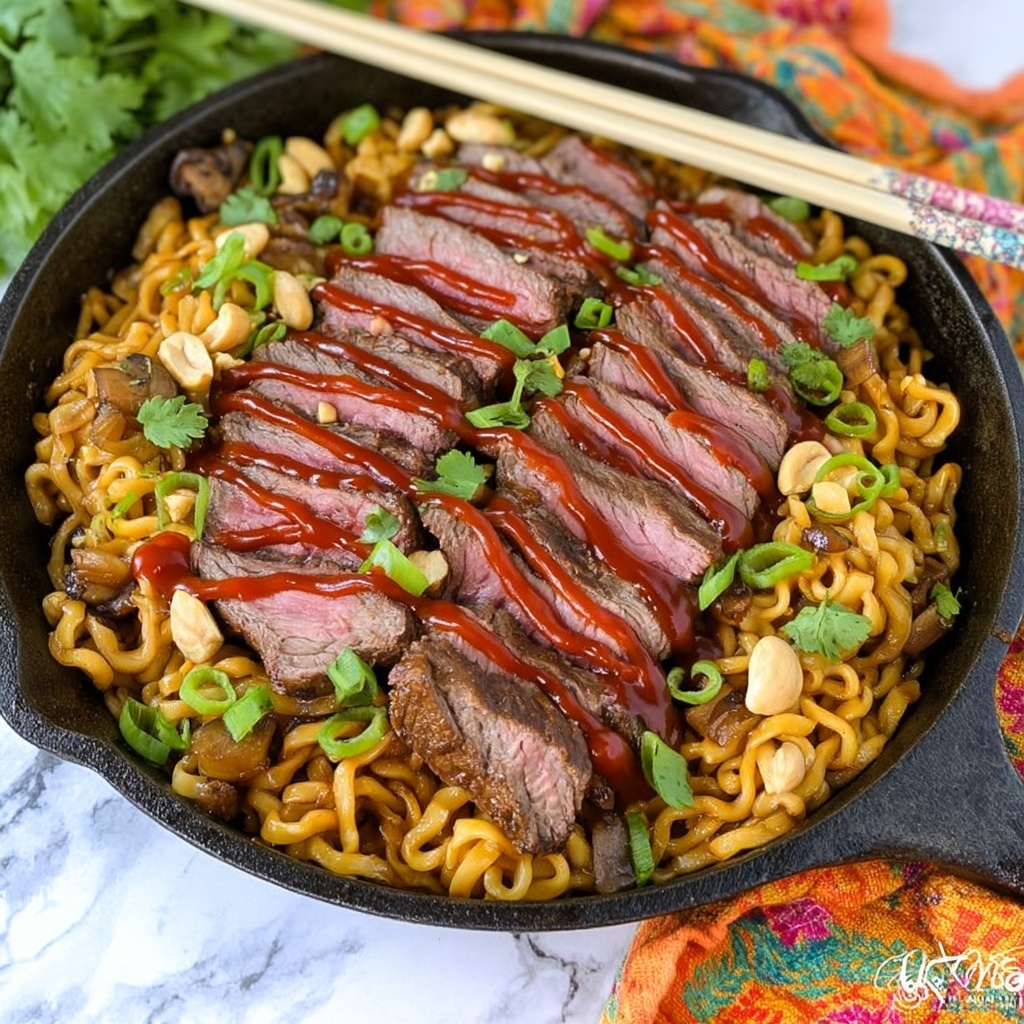
Ingredients You’ll Need
Getting the ingredients right is the foundation of any fantastic dish, and this Spicy Korean Beef Noodles Recipe is no different. Each ingredient adds something indispensable – from the fiery gochujang adding heat and depth, to the fresh green onions and aromatic garlic enhancing every bite with brightness and character.
- Swiss steak (3 pounds, room temp): Choose thinly sliced for tender, quick cooking that absorbs the marinade flavorful well.
- Oil (2 tablespoons): Essential for searing the steak to a beautiful brown crust without sticking.
- Korean chile paste (Gochujang, 4 tablespoons): The heart of the dish, providing that signature spicy, slightly sweet kick.
- Green onions (2 tablespoons, thinly sliced): Adds fresh, mild onion flavor that brightens the sauce and garnish.
- Soy sauce (2 tablespoons): Brings umami and saltiness, balancing the sweetness of sugar and the pungency of garlic.
- Rice vinegar (2 tablespoons): Adds a gentle tang that lifts the flavors and keeps the dish lively.
- Minced garlic (3 tablespoons): A must for savory depth and a fragrant aroma.
- Ground ginger (1 teaspoon): Offers subtle warmth and complexity to the marinade.
- Sesame oil (1 tablespoon): Infuses the dish with a nutty richness that ties the flavors together.
- Sugar (4 teaspoons): Balances heat and acidity with just a touch of sweetness.
- Beef ramen packets (3 packages, including seasoning and 2 cups water): Convenient noodles with seasoning that become tender and flavorful once cooked with the sauce.
- White onion (1/2, thinly sliced): Adds crunch and sweetness when sautéed.
- Mushrooms (1/2 cup, sliced): Provides an earthy, meaty texture to complement the beef.
How to Make Spicy Korean Beef Noodles Recipe
Step 1: Prepare the Marinade
Begin by whisking together the gochujang, green onions, soy sauce, rice vinegar, minced garlic, ground ginger, sesame oil, and sugar in a small bowl. This bright, spicy sauce will both flavor and tenderize the beef, giving it that unmistakable Korean kick.
Step 2: Marinate the Swiss Steak
Divide the sauce in half, then pour one half into a sealable plastic bag. Add the Swiss steak to the bag, seal it tightly, and massage gently so every piece is coated. Let it chill in the refrigerator for at least 30 minutes or, even better, overnight to fully absorb those complex flavors.
Step 3: Cook the Steak
Heat the oil in a large pan over medium heat. Remove the steak from the marinade bag and place it in the pan. Cook for 5 to 8 minutes until the beef browns nicely on the edges. Once done, transfer the steak to a cutting board and set aside. Keep the remaining sauce from the bag close; it will be added to the noodles later.
Step 4: Prepare the Noodles and Vegetables
In the same pan, add the sliced onions, mushrooms, uncooked ramen noodles with their seasoning packets, and the leftover marinade sauce. Pour in 2 cups of water and bring everything to a gentle simmer. Cook for about 5 to 7 minutes until the noodles are tender and the sauce thickens slightly.
Step 5: Combine and Finish
While the noodles cook, slice the rested steak into half-inch pieces. Add the sliced beef and any remaining sauce back into the pan with the noodles. Continue cooking until the steak is heated through and perfectly melded with the spicy sauce, giving the dish a cohesive and delicious finish.
How to Serve Spicy Korean Beef Noodles Recipe
Garnishes
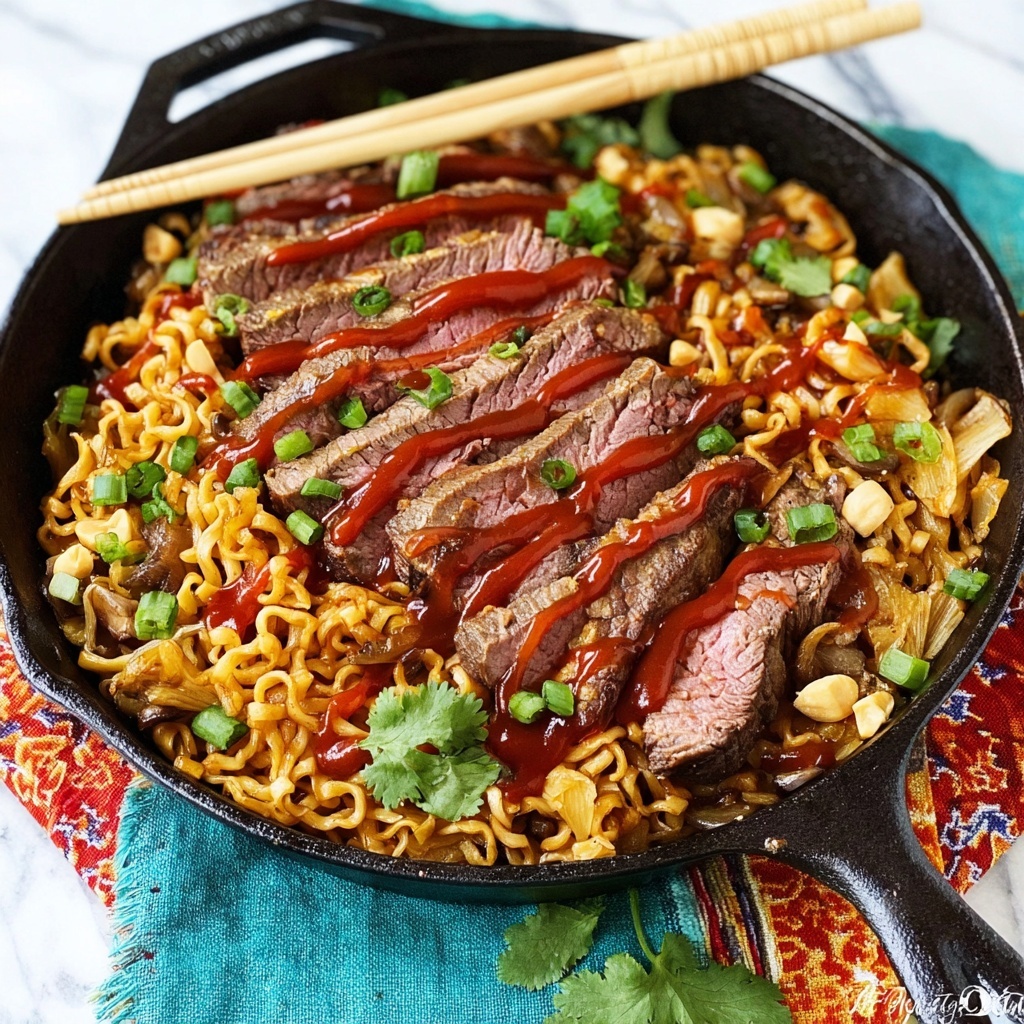
A sprinkle of finely sliced scallions, a few toasted sesame seeds, or even a drizzle of extra sesame oil can elevate the dish visually and flavor-wise. These little touches bring freshness, crunch, and nuttiness that marry beautifully with the bold beef noodles.
Side Dishes
This dish pairs wonderfully with simple sides like steamed or sautéed bok choy, kimchi for a probiotic punch, or even a crisp cucumber salad to cool down the spice. Each side adds a unique texture and flavor contrast that rounds out the meal perfectly.
Creative Ways to Present
For a stunning presentation, serve the noodles in deep bowls with slices of beef artfully fanned on top. Garnish with bright green onions and a few chili flakes for extra flair. Or try layering the noodles with fresh herbs and a squeeze of lime for a zesty twist.
Make Ahead and Storage
Storing Leftovers
Leftover Spicy Korean Beef Noodles Recipe keeps well in an airtight container in the refrigerator for up to 3 days. The beef absorbs more of the sauce overnight, making it even more flavorful the next day!
Freezing
You can freeze leftovers if needed, but for best texture, freeze only the beef and sauce separately from the noodles. Wrap tightly and store for up to 2 months. Thaw overnight in the fridge before reheating.
Reheating
To reheat, gently warm the beef and sauce in a pan over low heat, adding a splash of water if needed to loosen the sauce. Add the noodles toward the end and toss everything together until heated through, maintaining the dish’s wonderful texture.
FAQs
Can I use a different cut of beef instead of Swiss steak?
Absolutely! Thinly sliced sirloin or flank steak can also work well and are great for quick cooking and absorbing the marinade.
How spicy is the Spicy Korean Beef Noodles Recipe?
The heat level comes mainly from gochujang, which has a mild to moderate spice with a touch of sweetness. If you prefer less heat, reduce the chili paste; for more, feel free to add fresh sliced chili peppers.
Is there a vegetarian version of this recipe?
You can swap the beef for tofu or mushrooms and use vegetable broth instead of water for simmering the noodles. Adjust seasoning accordingly to maintain bold flavor.
Can I use regular pasta instead of ramen noodles?
While ramen noodles have a unique texture that complements the dish, you can use spaghetti or udon noodles if you prefer. Just adjust cooking time to ensure noodles are tender but not soggy.
What’s the best way to adjust this recipe for meal prepping?
Cook the beef and sauce separately from the noodles and store them in portions. Keep the noodles slightly undercooked to avoid mushiness when reheated, then combine just before eating.
Final Thoughts
I can’t recommend this Spicy Korean Beef Noodles Recipe enough if you’re looking for a meal that’s bursting with flavor yet simple enough to whip up on a weeknight. It hits all the right notes of spicy, savory, and a touch of sweet, perfectly balanced in every bite. Give it a try, and I promise it will become one of those dishes you’ll want to make again and again!
Print
Spicy Korean Beef Noodles Recipe
- Prep Time: 15 minutes
- Cook Time: 15 minutes
- Total Time: 30 minutes
- Yield: 4 servings
- Category: Main Dish
- Method: Stovetop
- Cuisine: Korean
Description
This Spicy Korean Beef Noodles recipe features tender Swiss steak marinated in a flavorful Korean gochujang sauce, served with savory ramen noodles cooked alongside onions and mushrooms. The combination of the spicy, tangy sauce and the hearty beef creates a delicious one-pan dish perfect for a quick and satisfying meal.
Ingredients
Beef and Marinade
- 3 pounds Swiss steak (room temperature)
- 4 tablespoons Korean chile paste (Gochujang)
- 2 tablespoons green onions (thinly sliced)
- 2 tablespoons soy sauce
- 2 tablespoons rice vinegar
- 3 tablespoons minced garlic
- 1 teaspoon ground ginger
- 1 tablespoon sesame oil
- 4 teaspoons sugar
Cooking
- 2 tablespoons oil
- 3 packages beef ramen (including seasoning packets)
- 2 cups water
- 1/2 white onion (thinly sliced)
- 1/2 cup mushrooms (sliced)
Instructions
- Prepare the marinade: Whisk together the gochujang, green onions, soy sauce, rice vinegar, garlic, ginger, sesame oil, and sugar in a small bowl until well combined.
- Divide the sauce: Separate the sauce into two equal portions for marinating and later use.
- Marinate the steak: Place one half of the sauce into a Ziploc bag, add the Swiss steak, seal, and refrigerate to marinate from 30 minutes up to overnight to allow flavors to infuse.
- Chill remaining sauce: Cover and refrigerate the remaining half of the sauce for finishing the noodles later.
- Heat the pan: Drizzle oil into a large pan and heat over medium heat until shimmering.
- Cook the steak: Remove the steak from the marinade bag (reserving the marinade), place it in the heated pan, and cook for 5-8 minutes until browned on all sides.
- Remove and rest steak: Transfer the cooked steak to a cutting board and set aside.
- Cook the vegetables and noodles: Add sliced onions, mushrooms, ramen noodles, ramen seasoning packets, and the reserved marinade from the bag into the pan.
- Add water and simmer: Pour 2 cups water into the pan and bring to a simmer, cooking for 5-7 minutes until noodles are fully cooked and tender.
- Slice the steak: While noodles cook, slice the rested steak into 1/2-inch thick pieces.
- Combine and heat through: Add the sliced steak and the chilled reserved sauce to the pan with noodles and vegetables. Continue cooking until the steak is heated through and the sauce is evenly incorporated.
Notes
- Marinating the steak overnight will deepen the flavor but a minimum of 30 minutes is recommended.
- Use Swiss steak or any thinly sliced beef suitable for quick cooking.
- You can adjust spice levels by altering the amount of gochujang.
- Be careful not to overcook the noodles; monitor closely during simmering.
- For a gluten-free option, substitute the ramen noodles with a gluten-free noodle product and ensure soy sauce is gluten-free.